Prepping Your Garden for Summer Harvest
Preparing your garden for summer harvesting is essential to ensure that your plants thrive and produce bountiful crops. Here’s a step-by-step guide to get your garden in tip-top shape for the season:
1. Assess Your Garden Soil
- Test Your Soil: Before you start planting, test the pH and nutrient levels of your soil. You can purchase a soil test kit or send a sample to a local extension office.
- Amend the Soil: If your soil needs improvement, amend it with compost, well-rotted manure, or organic matter to enrich it with nutrients. Adding mulch can also help retain moisture and prevent weeds.
2. Clean Up Your Garden
- Remove Debris: Clear away any weeds, dead plants, or old mulch from the previous season. Clean garden tools, pots, and any structures you plan to use (trellises, cages, etc.).
- Prune Perennials: If you have perennial plants, prune back any dead or damaged growth to allow fresh growth to flourish.
3. Plan Your Planting Schedule
- Know Your Frost Dates: The last frost date is crucial for determining when to plant your summer crops. In most regions, the end of May to early June is a safe time to plant summer vegetables.
- Consider Crop Rotation: Plan your crop rotation for the season to help with soil health and pest control. Avoid planting the same crops in the same place as last year to prevent nutrient depletion and diseases.
4. Choose the Right Plants for Summer Harvesting
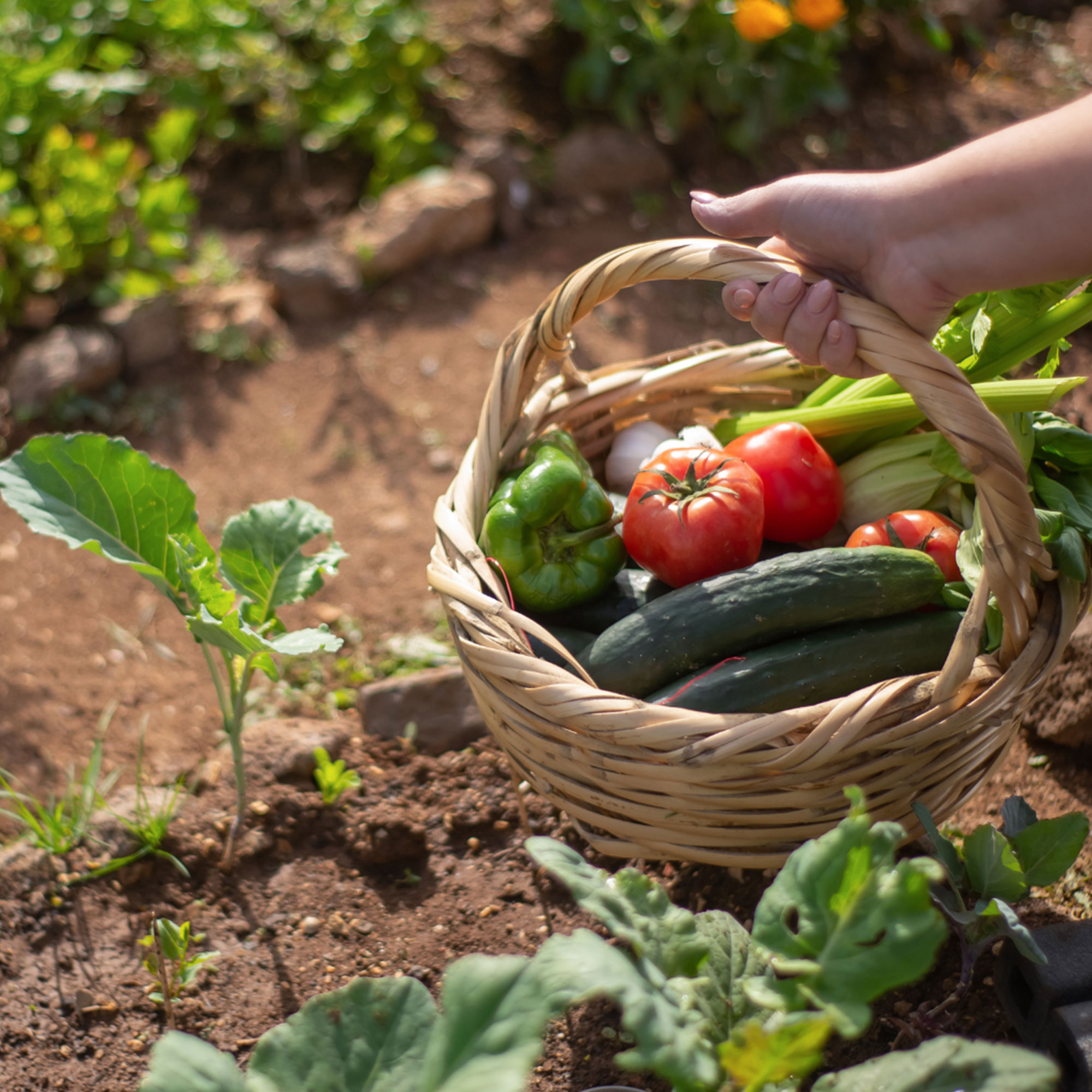
- Warm-Weather Crops: Summer vegetables like tomatoes, peppers, beans, zucchini, cucumbers, and squash thrive in warmer temperatures. Make sure your garden can handle the sun and heat required by these crops.
- Herbs: Basil, oregano, thyme, mint, and rosemary grow best in the summer. Add these to your garden for a flavorful harvest.
- Root Vegetables: If you’re growing root vegetables like carrots, beets, or potatoes, make sure the soil is loose and well-drained to allow proper root development.
5. Planting & Transplanting
- Start Seeds Indoors: If you live in a colder climate or want a head start, start seeds indoors 6-8 weeks before the last frost. This gives your plants a head start before transplanting them into your garden.
- Direct Sowing: For crops like beans, corn, and squash, plant them directly into the garden once the soil has warmed up and the threat of frost has passed.
- Transplanting: When transplanting seedlings, ensure they are hardened off by gradually acclimating them to outdoor conditions (gradually increasing exposure to sunlight and outdoor temperatures).
6. Watering & Irrigation
- Install Irrigation: If you don’t have one already, consider installing a drip irrigation system or soaker hoses to ensure deep and consistent watering. Water at the base of plants to avoid wetting the foliage, which can promote disease.
- Mulch: Add a layer of mulch around your plants to retain moisture, suppress weeds, and regulate soil temperature.
- Water Deeply: Water deeply and infrequently to encourage strong root growth. Shallow watering can lead to weak roots and water waste.
7. Control Weeds and Pests
- Weed Early: Keep your garden weed-free by pulling them as soon as they appear. Weeds compete with your crops for water, nutrients, and sunlight.
- Natural Pest Control: Use companion planting to naturally repel pests. For example, planting marigolds near tomatoes can help deter aphids. You can also introduce beneficial insects like ladybugs to control aphid populations.
- Pest Barriers: Use row covers or netting to protect tender plants from pests like birds, insects, and animals.
8. Stake and Support Plants
- Support Tall or Vining Plants: Use cages, stakes, or trellises to support plants like tomatoes, cucumbers, beans, and peas. This will help them grow upright, saving space and promoting healthier plants.
- Prune Regularly: For crops like tomatoes and peppers, prune away suckers and dead leaves to encourage better air circulation and more energy to go into fruit production.
9. Monitor Plant Health
- Check Regularly: Regularly inspect your plants for signs of disease or pest infestations. Early detection helps you treat problems before they spread.
- Fertilize as Needed: As your plants grow, they may need additional nutrients. Use organic fertilizers or compost to provide slow-release nutrients throughout the growing season.
10. Keep a Harvest Plan
- Harvest at the Right Time: Each crop has its own optimal harvest time. Be sure to pick vegetables when they’re ripe, and keep track of when your crops are ready to harvest. Regular harvesting encourages further production.
- Preserve Your Bounty: If you find yourself with an abundance of produce, consider freezing, canning, or drying your crops to extend the harvest.
By preparing your garden properly, you’ll set yourself up for a bountiful summer harvest that you can enjoy all season long. 🌱🌞 Happy gardening!