
Prepping for Gardening Season Checklist
Preparing for the gardening season requires some thoughtful planning and organization to ensure you’re ready to go when the weather warms up.
Here’s a comprehensive checklist to help you get your garden ready for a successful growing season:
1. Review Your Garden Plans
- Assess last season: Take notes on what worked well and what didn’t in the previous year.
- Plan your garden layout: Decide what to plant, where to plant it, and when to start. Consider crop rotation and companion planting to maintain soil health.
- Check seed inventory: Review and update your seed collection to see what you need to purchase for the new season.
2. Clean and Prepare Garden Tools
- Sharpen tools: Sharpen garden knives, shears, hoes, and spades.
- Clean tools: Scrub dirt, rust, and sap off tools with soapy water. Use a wire brush for stubborn grime.
- Check handles and joints: Ensure tools are in good working condition, tightening any loose screws or replacing broken handles.
- Oil metal parts: Apply oil to prevent rust, particularly on tools that will be exposed to moisture.
3. Clean Up the Garden
- Remove debris: Clear any dead plants, fallen leaves, weeds, or plant remnants from the garden beds. This helps prevent disease and pests from overwintering.
- Compost organic matter: Compost healthy plant material (avoid composting diseased plants).
- Weed control: Hand-pull or use a hoe to remove any lingering weeds.
- Check garden structures: Inspect fences, trellises, raised beds, and other structures for any damage from the previous season. Repair as needed.
4. Test and Improve Soil
- Test soil: Conduct a soil test to check pH and nutrient levels. This will guide you on which amendments to add, like compost, lime, or fertilizer.
- Add organic matter: Spread compost or well-rotted manure to improve soil texture and nutrient content.
- Aerate the soil: Use a garden fork or aerator to loosen compacted soil, allowing air, water, and nutrients to reach plant roots more easily.
5. Start Seeds Indoors (if applicable)
- Choose seeds: Pick seeds for plants that need a head start indoors (e.g., tomatoes, peppers, and herbs).
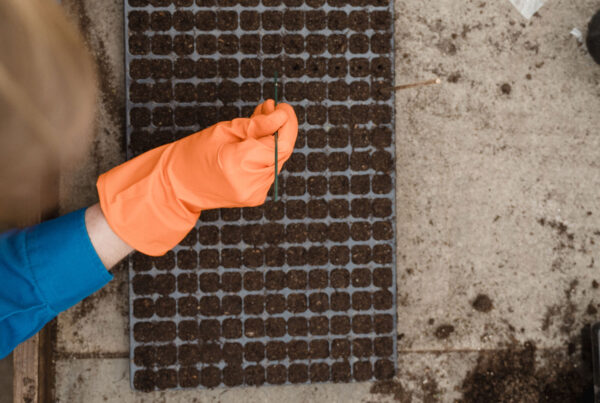
- Prepare seed trays: Use clean trays, pots, or containers with drainage holes, and fill them with a good-quality seed-starting mix.
- Create a seed-starting schedule: Check your area’s average last frost date and plan to start seeds indoors 6-8 weeks before that.
- Provide proper lighting: Ensure seeds receive enough light (either from a sunny window or grow lights) to prevent leggy growth.
6. Plan for Irrigation
- Check irrigation systems: Inspect hoses, sprinklers, or drip irrigation systems for clogs or leaks. Replace or repair damaged components.
- Clean water containers: If you’re using rain barrels or watering cans, clean them to prevent algae or debris buildup.
- Test the water source: Ensure that your water source is accessible and provides adequate pressure or flow.
7. Plan for Pest and Disease Management
- Check for early pests: Inspect the garden for early signs of pests (like aphids or slugs) and take preventative measures.
- Research companion planting: Plan to use companion plants that help deter pests naturally (e.g., marigolds, basil, or garlic).
- Prepare natural remedies: Stock up on organic pest control solutions (e.g., neem oil, insecticidal soap, or diatomaceous earth).
- Clean your garden tools: Clean your tools to prevent spreading diseases between plants.
8. Get Your Planting Supplies
- Purchase seeds or seedlings: Order or buy seeds for your garden, or pick up seedlings if you prefer not to start everything from scratch.
- Buy soil amendments: If necessary, purchase compost, organic matter, or other soil amendments to enrich your garden soil.
- Prepare pots and containers: If gardening in containers, ensure you have the proper pots, containers, and saucers, and check for drainage holes.
- Stock up on fertilizers: Choose an appropriate fertilizer based on your soil test results and specific plant needs.
9. Prepare Mulching Materials
- Choose mulch: Decide whether to use organic mulch (like straw, leaves, or wood chips) or inorganic mulch (like gravel or landscape fabric) to help retain moisture, control weeds, and regulate soil temperature.
- Gather mulch: Purchase or collect mulch in advance for easy application once planting begins.
10. Create a Garden Maintenance Plan
- Schedule tasks: Plan when and how often to water, weed, and check for pests.
- Establish a planting schedule: Determine when each crop should be sown, whether directly outdoors or started indoors.
- Plan for regular harvesting: Set reminders to harvest vegetables and fruits at their peak ripeness.
11. Prepare for Seasonal Changes
- Prepare cold frames or greenhouses: If you’re growing cold-sensitive crops, consider using cold frames or greenhouses to protect them from late frosts.
- Frost protection: Keep row covers or frost blankets on hand to protect young plants from unexpected cold spells.
- Monitor weather: Stay informed about the forecast to make timely decisions regarding planting and protection from extreme weather.
12. Set a Garden Budget
- Track expenses: Make a budget for seeds, soil, tools, and any other garden-related purchases to avoid overspending.
- Look for deals: Check for sales, discounts, or local seed swaps to get the best value on gardening supplies.
By following this checklist, you can ensure that you’re well-prepared for a successful gardening season. Early preparation not only makes the process smoother but also sets you up for a healthier, more productive garden! 🌿🌷🌞