Beginners Guide to Container Gardening
Container gardening is a great way for beginners to grow plants when space is limited, whether you have a small balcony, patio, or even just a windowsill. It’s easy to set up and can be very rewarding.
Here’s a step-by-step guide to get you started with container gardening:
1. Choose the Right Containers
- Size matters: The size of your container will depend on the plants you want to grow. For most herbs, vegetables, and flowers, containers should be at least 6-12 inches deep to accommodate root growth. Larger plants, like tomatoes or peppers, may need bigger pots (18-24 inches deep).
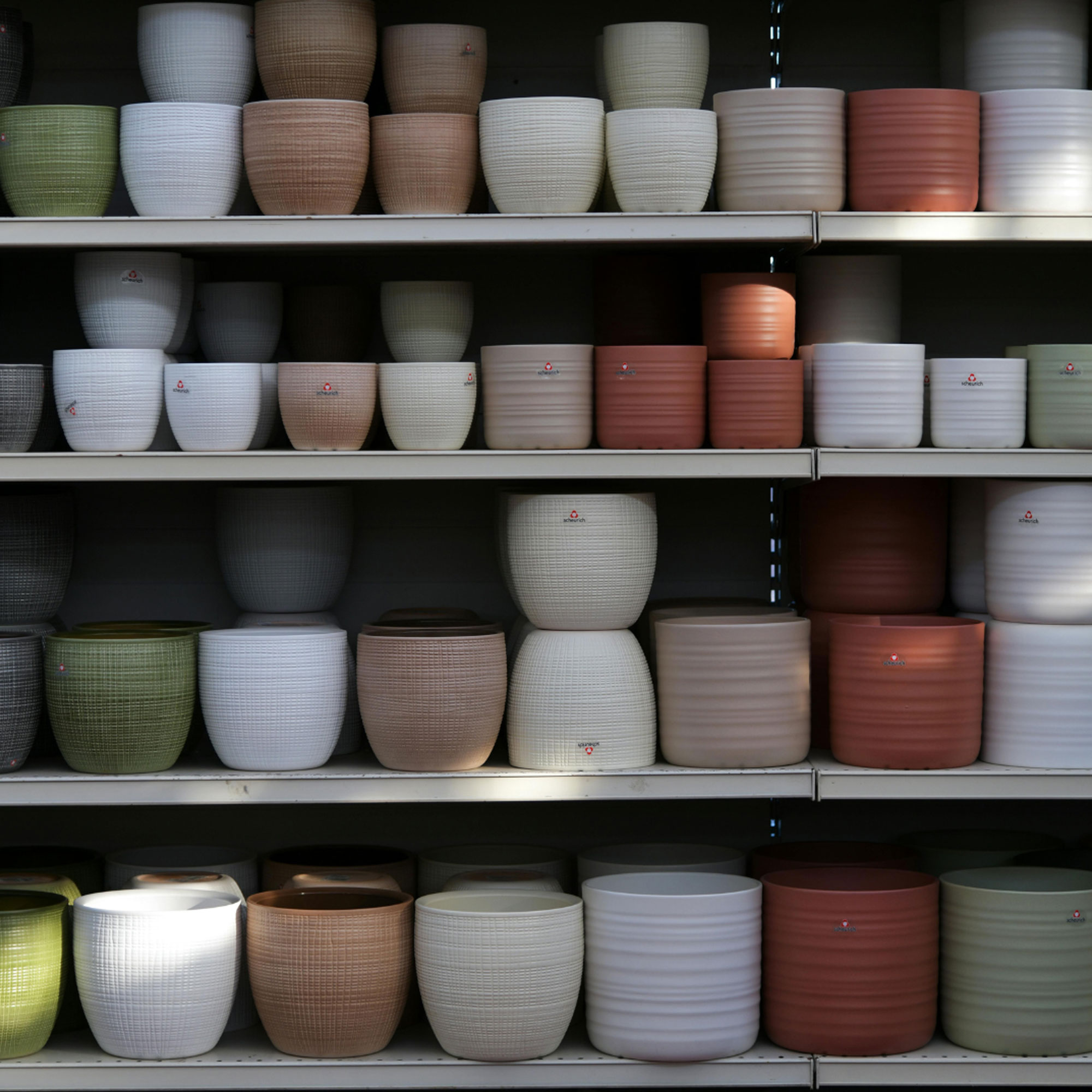
- Material: Containers come in various materials, such as plastic, terracotta, ceramic, and wood. Plastic pots are lightweight and retain moisture well, while terracotta and ceramic pots dry out faster but are more breathable.
- Drainage: Ensure the container has drainage holes. Good drainage prevents water from accumulating in the bottom, which can lead to root rot.
2. Choose the Right Soil
- Use quality potting mix: Avoid using garden soil in containers, as it may compact and doesn’t drain well. Instead, use a good-quality potting mix designed for container gardening. It’s light, drains well, and contains nutrients for plant growth.
- Consider adding compost: Mixing compost with your potting soil can improve its fertility and help with moisture retention.
3. Select the Right Plants
- Consider your space: If you have limited space, opt for compact or dwarf varieties of plants. Many vegetables, herbs, and flowers have “container-friendly” varieties.
- Sunlight needs: Make sure you know how much sunlight your plants need. Place plants that require full sun (6+ hours of direct sunlight) in the sunniest spots, while shade-loving plants can thrive in more shaded areas.
- Plant companions: Some plants grow better together, such as basil and tomatoes or marigolds with peppers. Research companion planting to maximize space and improve plant health.
4. Planting Your Container Garden
- Fill the container: Start by filling your container about 2-3 inches from the top with your potting mix. Make sure the mix is even and loose, not packed down tightly.
- Plant at the right depth: Plant your seeds or seedlings at the recommended depth. For larger plants, such as tomatoes, be sure to plant them deep enough so that a lot of the stem is buried to encourage strong root growth.
- Space plants appropriately: Don’t overcrowd your plants. Even in a container, plants need room to spread their roots and grow.
5. Watering Your Plants
- Water regularly: Containers tend to dry out more quickly than garden beds, so check your plants regularly. Water when the top inch or two of soil feels dry.
- Water thoroughly: Water deeply so that moisture reaches the roots. It’s better to water thoroughly and less frequently than to water lightly every day.
- Use a saucer: Place a saucer under the container to catch excess water and protect your surfaces from water damage. Make sure the saucer doesn’t allow the container to sit in standing water, which can lead to root rot.
6. Fertilizing Your Container Garden
- Use balanced fertilizer: Since containers don’t have a natural soil ecosystem, plants can deplete the soil of nutrients quickly. Use a slow-release fertilizer or liquid fertilizer to give your plants the nutrients they need. Follow the directions on the fertilizer packaging to avoid overfeeding.
- Fertilize regularly: Depending on the type of plants you are growing, you may need to fertilize every few weeks. Vegetables and flowering plants tend to have higher nutrient needs.
7. Keep an Eye on Pests
- Check regularly: Inspect your plants for signs of pests or diseases. Common pests in container gardens include aphids, spider mites, and whiteflies. Early detection will make it easier to address the issue.
- Natural solutions: Use organic or homemade remedies to control pests, like insecticidal soap, neem oil, or even spraying with a mixture of water and dish soap.
8. Provide Support for Growing Plants
- Stakes and cages: For taller plants or vining crops like tomatoes, peppers, or cucumbers, you’ll need to provide support to help them grow upright. Use stakes, tomato cages, or trellises to give them structure and prevent them from falling over.
- Pruning: Regularly prune your plants to encourage healthy growth and remove any dead or damaged parts. This is especially important for plants like tomatoes and peppers to ensure better air circulation and fruit production.
9. Adjust for Seasonal Changes
- Summer heat: During hot weather, containers may dry out faster, so you may need to water more frequently. Consider moving pots to a more shaded area during the hottest part of the day.
- Winter care: In colder climates, bring containers inside during the winter, or protect them from frost with covers or by moving them to sheltered areas. You can also try growing hardy, cold-tolerant plants like greens, kale, or spinach during cooler months.
10. Harvesting and Enjoying Your Container Garden
- Harvest regularly: Harvesting encourages plants to keep producing. Be sure to pick fruits, vegetables, and herbs as they ripen.
- Enjoy your bounty: Fresh herbs and vegetables grown in containers are a delight to eat and cook with. Use them right away, or preserve them by drying or freezing for later use.
Additional Tips:
- Mulch: Add a layer of mulch to the top of the soil to help retain moisture, keep the soil temperature consistent, and reduce weeds.
- Grouping plants: Grouping pots together helps retain moisture and can provide some shade for plants that may be sensitive to intense heat.
- Rotate crops: Just like in traditional gardens, rotate the types of plants you grow in each container every season to help prevent disease buildup.
By following these simple steps, you’ll be on your way to creating a beautiful, productive container garden, no matter how small your space is! 🌱🌸🍅