
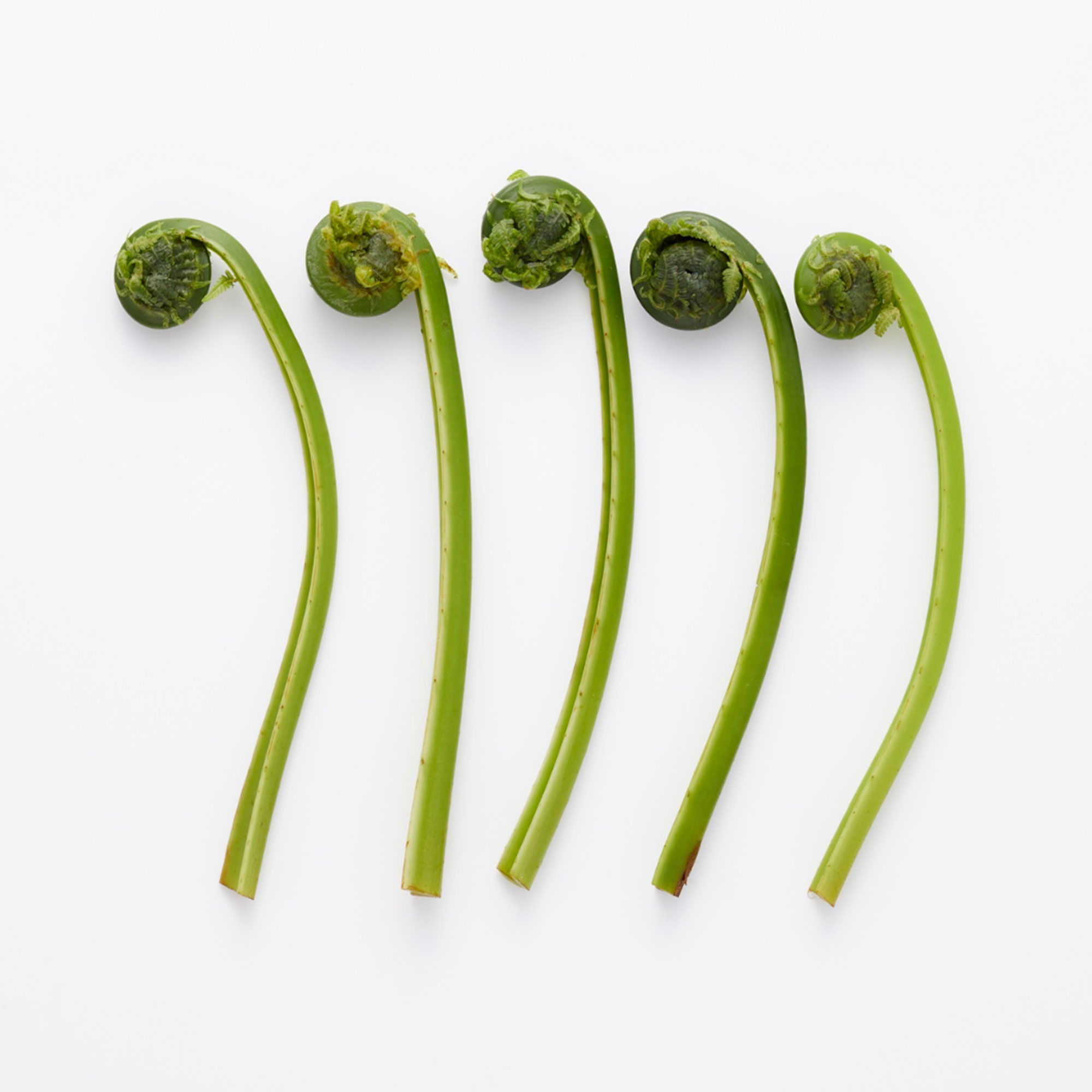
Sustainably Foraging for Fiddleheads
Foraging for fiddleheads can be a rewarding experience, but it’s important to approach it with care and knowledge. Fiddleheads are the young, coiled fronds of ferns, typically ostrich ferns, and are considered a delicacy in many parts of the world. Here’s a guide on how to safely forage for fiddleheads:
1. Know What You're Looking For:
- Identify the Right Fern: The most commonly foraged fiddlehead is from the ostrich fern (Matteuccia struthiopteris). It has distinct, curled fronds that look like a fiddle or violin, hence the name.
- Key Features:
- The fiddleheads should be a tight, coiled shape, resembling a scroll.
- They are typically bright green and covered in a brown papery coating (called a “chaff”).
- Ostrich fern fiddleheads are about 6-8 inches tall when they are ready to harvest.
- Important: Avoid harvesting fiddleheads from bracken ferns (Pteridium aquilinum) or lady ferns (Athyrium filix-femina) as they can be toxic.
2. The Best Time to Harvest:
- Fiddleheads are usually available in early spring, from late April to early May (depending on your region and climate).
- Harvest when the fiddleheads are still tightly coiled, before they start to unroll and become leaves.
3. Where to Find Fiddleheads:
- Look near streams, rivers, and wetlands: Fiddleheads tend to grow in moist, shady areas, often near water or in wooded areas with rich soil.
- Check the soil: Fiddleheads typically grow in clumps, with several young shoots emerging from the same base. They are often found in groups.
4. Harvesting Fiddleheads:
- Use scissors or a knife: Gently cut the fiddlehead off at the base, near the soil. Try to avoid pulling the entire plant out of the ground, as this can damage the plant and reduce future growth.
- Harvest responsibly: Don’t take more than 1/3 of the fiddleheads from a patch to ensure the plant can continue to grow and regenerate.
5. Cleaning Fiddleheads:
- After harvesting, remove the brown papery coating (chaff) from the fiddlehead by gently rubbing it off.
- Wash the fiddleheads thoroughly in cold water to remove any dirt, debris, or remaining papery skins.
6. Cooking Fiddleheads:
- Never eat fiddleheads raw: They contain toxins that are only neutralized by cooking.
- Boil or steam: To safely eat fiddleheads, cook them by boiling or steaming for about 10-15 minutes. This will remove the toxins and make them tender.
- You can also sauté fiddleheads with garlic and butter or incorporate them into soups and stews.
7. Foraging Ethics & Safety:
- Forage sustainably: Always leave plenty of fiddleheads behind to allow the plants to regenerate for the following season.
- Double-check identification: Always be 100% sure of the fern you’re harvesting. Mistaking fiddleheads for other toxic ferns can be dangerous.
- Consult local guidelines: In some areas, foraging regulations may apply, so make sure you’re following local laws and guidelines.
8. Storage:
If you have a surplus, freeze fiddleheads for later use. Blanch them (boil briefly and then ice-cold water) before freezing to preserve their texture and flavor.
Foraging for fiddleheads can be an exciting and tasty outdoor adventure, just make sure to do your research, follow best practices, and always prioritize safety. Happy foraging! 🌿💚