
Storing & Rehydrating Dried Ingredients
Storing and rehydrating dried goods properly is essential to maintaining their quality, flavor, and nutritional value. Here’s a guide on how to do both effectively:
How to Store Dried Goods
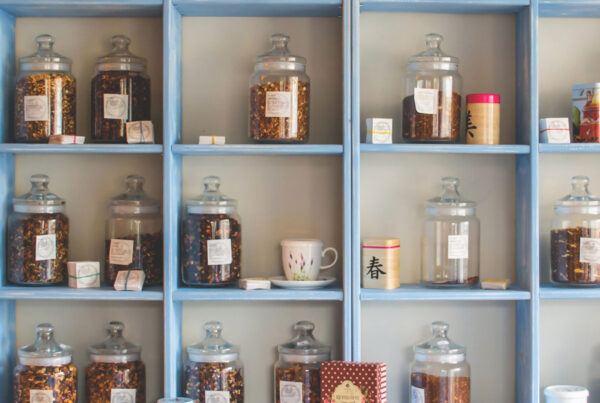
- Airtight Containers: Use airtight glass jars, Mylar bags with oxygen absorbers, or vacuum-sealed bags. The goal is to keep air and moisture out, which can cause spoilage.
- Plastic Containers: Use BPA-free plastic containers with tight-sealing lids for short-term storage. Avoid using thin plastic bags, as they allow air in and can lead to faster deterioration.
2. Keep in a Cool, Dry, and Dark Place:
- Temperature: Store dried goods in a cool, dry place, ideally between 50°F (10°C) and 70°F (21°C). Heat can degrade the quality of dried goods over time.
- Humidity: High humidity can cause dried goods to absorb moisture and spoil. If you live in a humid area, adding desiccants like silica gel packets to your containers can help.
- Light: Store dried foods away from direct sunlight, as light can break down vitamins and nutrients and cause fading or degradation of flavour.
3. Label and Date the Containers:
- Always label your containers with the date of purchase or drying so you can keep track of how long they’ve been stored. Even though dried goods have a long shelf life, they are best used within a year for optimal flavour and nutrition.
4. Check for Signs of Spoilage:
- Regularly check stored dried goods for any signs of spoilage, such as mold, discoloration, or off smells. Dispose of any items that show signs of damage or degradation.
How to Rehydrate Dried Goods
Hot Water Soak (Most Common Method for Fruits, Vegetables, and Mushrooms):
-
- Boil Water: Boil water or use hot tap water. The temperature should be hot enough to soften the dried food, but not boiling.
- Soak: Pour the hot water over the dried food in a bowl, ensuring the food is fully covered. Let it sit for about 15-30 minutes, depending on the size and type of the food.
- Drain: Once the food has softened, drain off any excess water. You can also use the leftover liquid as a flavorful broth, especially with dried vegetables, mushrooms, or herbs.
2. Tip: For faster rehydration, consider placing the dried goods in a heatproof container and covering it with a tight-fitting lid or plastic wrap to trap the heat.
Cold Water Soak (For More Delicate Dried Foods or for Longer Soaking Times):
-
- Cold Water Soak: Place the dried goods in a bowl of cool or room-temperature water. This method takes longer, generally between 6–12 hours (overnight works well). It’s ideal for items like dried beans or fruits that need more time to rehydrate thoroughly without being exposed to too much heat.
- Drain and Use: Once rehydrated, drain and use them as needed. If the water you soaked them in is flavored (e.g., dried fruit soaking in juice), you can use it for smoothies, soups, or as a base for cooking.
4. Simmering (For Vegetables, Meat, and Beans):
-
- Simmer in Water: For dried beans, meats (like jerky), or vegetables, simmer them in water or broth until they reach the desired tenderness. The simmering method can take anywhere from 30 minutes to several hours, depending on the type of dried food and its size.
- Test for Tenderness: Taste the food during the simmering process to ensure it’s rehydrated properly. Dried beans, for example, may require longer cooking times to fully rehydrate.
5. Using a Dehydrator or Slow Cooker:
-
- Slow Cooker: If you’re using dried foods like beans or even dried meats, you can rehydrate them by cooking them in a slow cooker with enough liquid. This method ensures a gradual rehydration and retains nutrients.
- Dehydrator Rehydration: Some dehydrators come with settings for rehydrating foods. These settings use low heat to gently bring the moisture back into the food. If you’re unsure, you can use the hot water soak method as mentioned above.
6. Oven Rehydration (For Large or Thick Dried Foods):
-
- Preheat the Oven: For certain dried foods like large fruit chunks or thick vegetable slices, preheat your oven to a low setting (around 250°F or 120°C).
- Cover with Water: Place the dried food in an oven-safe dish and cover it with water.
- Slow Rehydrate: Place the dish in the oven and allow it to gently rehydrate for 20-30 minutes. Check the food regularly to prevent overcooking.
Rehydration Tips for Specific Dried Foods:
- Dried Fruits (e.g., Apples, Apricots, Raisins): Rehydrate in hot water for about 15-30 minutes. They can be used in baked goods, smoothies, or eaten as snacks.
- Dried Vegetables (e.g., Tomatoes, Carrots, Peas): Rehydrate in hot water for 15-30 minutes. They can then be added to soups, stews, and casseroles.
- Dried Mushrooms: Rehydrate in hot water for about 20 minutes. Strain and save the soaking liquid for soups or sauces.
- Dried Beans & Legumes: Soak overnight in cold water or simmer for 1-2 hours in fresh water (after soaking). Check the package for specific soaking and cooking times.
- Dried Herbs: Rehydrate in a small amount of warm water for 10-15 minutes, or sprinkle directly into dishes for flavoring. Some herbs can also be added dry to soups or stews and will rehydrate during cooking.
Storage After Rehydration:
- Use Immediately: If you’ve rehydrated a small amount of food, it’s best to use it right away.
- Store Leftovers: If you have leftover rehydrated food, store it in an airtight container in the fridge for up to 3-5 days. If you plan to store for longer, consider freezing the rehydrated food.
By following these storage and rehydration tips, you’ll be able to enjoy dried goods at their best—retaining both flavour and nutrients.