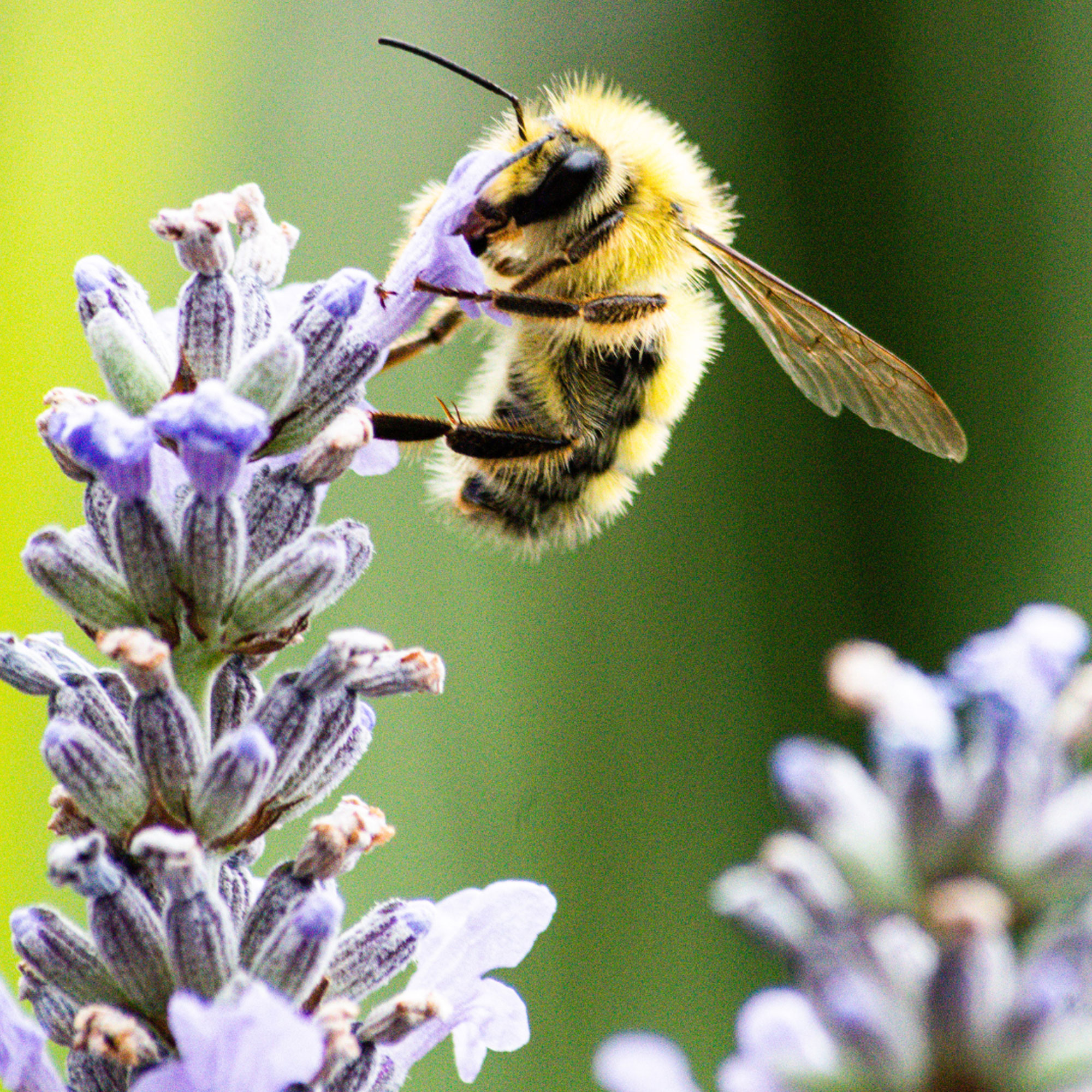
Attracting pollinators like bees, butterflies, and hummingbirds to your garden is not only great for your plants but also helps support the local ecosystem.
Here are some tips to create a pollinator-friendly garden:
1. Plant a Variety of Flowers
Pollinators are attracted to a diverse range of flowers. Plant flowers with different bloom times to ensure there’s something for pollinators year-round. Choose native plants, as they’re best suited for local pollinators. Some popular pollinator-friendly flowers include:
- Lavender
- Echinacea (Coneflower)
- Zinnias
- Sunflowers
- Bee Balm
- Black-eyed Susan
- Milkweed (for Monarchs)
2. Choose Flowers with Different Shapes and Colors
Different pollinators are attracted to different flower shapes and colors:
Bees:
Love blue, purple, and yellow flowers with open, flat shapes like daisies.
Butterflies:
Are attracted to bright colors like red, orange, pink, and purple, and they prefer flowers like lantana and butterfly bush.
Hummingbirds:
Prefer red, orange, or pink tubular flowers like trumpet vine, coral bells, or bee balm.
3. Avoid Pesticides
Chemicals can harm pollinators, so try to avoid or reduce the use of pesticides in your garden. If you must use them, apply them during the evening or early morning when pollinators aren’t active, and choose natural, less harmful options like neem oil.
4. Provide Water Sources
Pollinators need water, too! Place a shallow dish or birdbath with fresh water in your garden. Add small stones or pebbles to the bottom so bees and other insects can safely land and drink.
5. Create Habitat Spaces
Pollinators need more than just flowers to thrive. Consider the following:
Bee Hotels:
These are small structures filled with hollow tubes that provide a safe place for solitary bees to nest.
Tall Grasses & Wild Areas:
Leave some parts of your garden a little wild—let grasses grow tall, and allow plants to go to seed to provide shelter and food for pollinators.
Butterfly-Friendly Zones:
Butterflies like to rest on flat surfaces, so adding rocks or logs can provide a place for them to bask in the sun.
6. Plant Host Plants for Caterpillars
Butterflies lay their eggs on specific plants that their larvae (caterpillars) need to feed on. Consider planting these host plants in addition to nectar-rich flowers:
- Milkweed (for Monarchs)
- Fennel or dill (for Swallowtails)
- Cabbage or kale (for Cabbage Whites)
7. Go for Organic Gardening
Organic gardening practices help create a more pollinator-friendly environment. Avoid synthetic fertilizers and use compost or organic mulch to nourish your plants. Healthy, thriving plants are more likely to attract pollinators.
8. Offer Shelter
Pollinators need safe places to rest, especially on hot days. Create sheltered spots with tall plants, hedgerows, or even small structures like birdhouses or trellises.
9. Create a Pollinator-Friendly Garden Design
Watch out for common pests like aphids or spider mites. If you notice any, gently wash your plants with water or use a natural pest control method (like neem oil).
- Cluster plants: Pollinators are more likely to visit when there are multiple plants of the same kind grouped together.
- Plant in layers: Mix tall and short plants to create a variety of spaces for pollinators to visit.
10. Be Patient
It may take a while for your garden to attract pollinators, but with these steps, you’ll slowly see more bees, butterflies, and birds showing up to enjoy the beauty of your garden.
Creating a pollinator-friendly garden is not just beneficial for your plants—it’s a gift to the environment and a joy to witness. 🌸🐝🦋