
Art of Pruning: Growth & Flowering Tips
Pruning garden plants is essential for promoting healthy growth, improving the appearance of plants, and encouraging fruiting and flowering. Here’s a general guide to pruning garden plants effectively:
1. Understand Why Pruning is Important
- Promotes Growth: Removes dead or diseased branches, allowing healthier growth.
- Encourages Flowering and Fruiting: For many plants, pruning helps stimulate more blooms or fruit production.
- Improves Air Circulation: Opens up the plant to better airflow, reducing the risk of disease.
- Shapes the Plant: Helps maintain a tidy, aesthetically pleasing form.
2. When to Prune
- Deciduous Trees and Shrubs: Late winter to early spring before new growth begins, as they are dormant and not yet actively growing.
- Evergreens: Prune in late spring or early summer, as they don’t go dormant like deciduous plants.
- Flowering Plants: Prune after they’ve finished flowering (spring-blooming) or in late fall/early winter (for summer-blooming).
- Fruiting Plants: Prune in late winter or early spring before new buds appear.
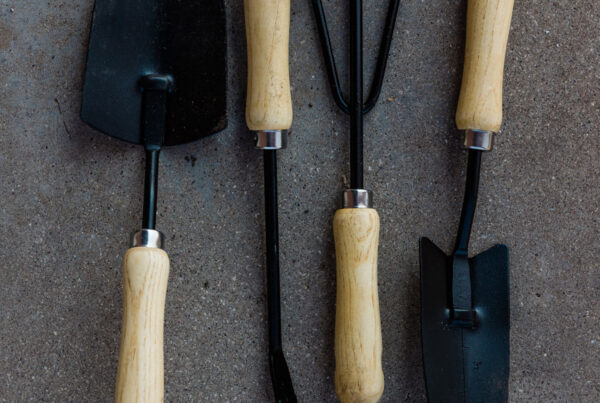
3. Pruning Tools
- Pruning Shears: For small branches, flowers, and leaves.
- Loppers: For branches 1/2 inch to 1 inch thick.
- Pruning Saw: For larger branches.
- Hedge Trimmers: For shaping hedges and bushes.
4. Pruning Steps:
Step 1: Identify Dead, Diseased, or Damaged Branches
Start by removing any branches that are dead, diseased, or broken. These can be easily identified since they may be discoloured, brittle, or have spots.
- Cut just above a healthy bud or branch to encourage new growth.
Step 2: Thin Out the Plant
Thin out the plant by removing crossing or rubbing branches that could cause damage or impede air circulation. This also helps sunlight reach the inner parts of the plant.
- Cut back weaker branches to allow the stronger ones to thrive.
Step 3: Cut to Encourage Strong Growth
Cut back old, weak, or leggy stems that are growing inwards toward the center of the plant. This helps the plant focus its energy on the healthiest growth.
- For fruiting plants, prune to maintain an open center, allowing sunlight to reach all parts of the plant.
Step 4: Shape the Plant
Prune for shape, especially if you’re working with ornamental plants or shrubs. Make cuts just above a leaf node (the point where a leaf grows from the stem) to encourage branching and a bushy form.
- Hedges: Trim the tops and sides to keep them even, and be mindful of the natural shape of the plant.
Step 5: Remove the Right Amount
Don’t over-prune! Always leave enough foliage to keep the plant healthy. For most plants, remove no more than one-third of the plant’s overall size at one time. If you’re pruning a flowering plant, be careful not to cut too many buds, or you may reduce its bloom.
5. Pruning Techniques for Specific Plants
- Roses: Prune in late winter or early spring. Remove dead or damaged canes, then cut back healthy canes to a bud that faces outward to encourage a rounded shape.
- Fruit Trees: Prune in early spring. Focus on removing any inward-growing or crossing branches to promote better fruit production. Keep the center open for light penetration.
- Shrubs: Lightly prune shrubs after they bloom (for spring-blooming types). For evergreens, prune lightly in late spring or early summer to maintain their shape.
- Herbs: Cut back herbs like basil or mint regularly to encourage bushier growth and prevent them from flowering too early.
6. General Pruning Tips
- Make Clean Cuts: Always use sharp tools to make clean, precise cuts. Ragged cuts can leave plants vulnerable to disease.
- Prune in Dry Conditions: Avoid pruning plants when they are wet, as this can spread diseases.
- Disinfect Your Tools: Clean your pruning tools between plants (especially if removing diseased branches) to prevent cross-contamination.
- Observe Plant Growth: Prune based on the plant’s natural growth habit. Avoid cutting too much from the top or sides, as it can distort the plant’s shape.
7. Aftercare
After pruning, make sure to water your plants well. Some plants may benefit from a light fertilization after pruning to encourage new growth. Additionally, mulch around the base to help conserve moisture and support growth.
By following these simple steps, you’ll help your plants thrive and produce more blooms, fruits, and lush growth. Pruning is both an art and a science, and with a little practice, you’ll be able to keep your garden looking neat, healthy, and productive! 🌿✂️