Around the World: Importance of Dried Ingredients Globally
Dried ingredients have held significant cultural and culinary importance around the world for centuries, with various cultures developing unique techniques for preserving, preparing, and incorporating dried foods into their diets. The practice of drying food goes beyond mere preservation; it plays a central role in food traditions, social practices, and sustainability. Here’s a deeper look into the cultural significance of dried ingredients in different parts of the world:
1. Food Preservation and Sustainability
- Essential in Pre-Refrigeration Era: Before the advent of refrigeration and modern preservation techniques, drying was one of the most reliable ways to preserve food for long periods. Cultures around the world relied on drying to store foods like fruits, vegetables, meats, and fish for times when fresh produce wasn’t available, especially during harsh winters or dry seasons.
- Long Shelf Life: Dried foods have a long shelf life, making them ideal for trading and storing, allowing communities to survive during times of scarcity. This has been vital for both survival and economic exchange.
2. Dried Fruits and Vegetables: A Staple in Various Cuisines
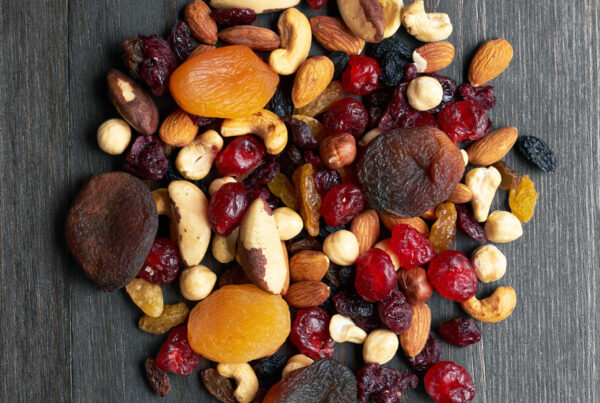
- Middle Eastern and Mediterranean Cultures: Dried fruits like figs, apricots, and dates are staples in Middle Eastern and Mediterranean cuisines. Dried dates, in particular, are central to the culinary practices of countries like Saudi Arabia, Iran, and Egypt. They are often used in desserts, stews, and beverages. Dates symbolize hospitality and generosity in these cultures and are often served as a welcoming gesture.
- Indian Cuisine: Dried vegetables and fruits like amchur (dried mango powder), tamarind, and dried fenugreek leaves (kasuri methi) are integral to Indian cooking. Amchur adds tanginess to dishes, while kasuri methi enhances flavor, especially in curries and dals. Dried foods help preserve seasonal produce and provide year-round access to these vital ingredients.
- Chinese Cuisine: Dried mushrooms (such as shiitake and black fungus) are widely used in Chinese cooking. They impart rich umami flavors to soups, broths, and stir-fries. Dried ingredients like goji berries and dried jujubes are also used in traditional Chinese medicine and herbal remedies, showcasing the dual cultural significance of dried foods.
3. Dried Meats and Fish: A Symbol of Tradition and Survival
- North American Indigenous Cultures: Dried meats, particularly bison, elk, and venison, have been integral to Indigenous peoples in North America for centuries. Jerky (or pemmican, a mixture of dried meat, fat, and berries) was essential for trade and survival, especially in the harsh winters. Dried meats were a crucial source of protein that could be stored for long periods.
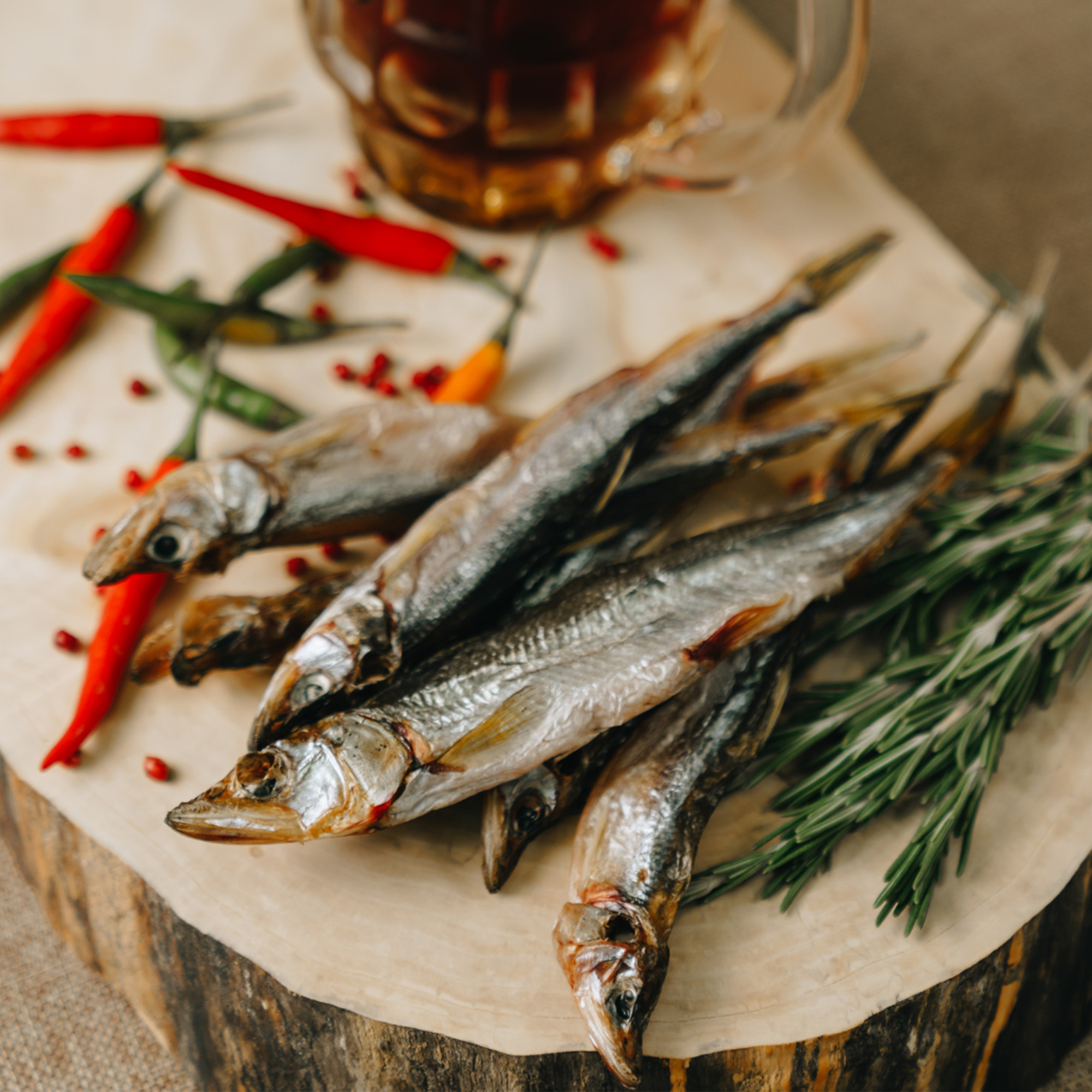
- Scandinavian and Nordic Cultures: In countries like Norway, Sweden, and Iceland, dried fish (like cod) has been a dietary staple for centuries. Bacalao (salted, dried cod) is used in various traditional dishes. This method of preservation allowed for fishing communities to store large quantities of fish and trade it with other regions.
- Peruvian Cuisine: Dried meat, particularly charqui (dried, salted meat), is part of Andean culture and has been vital for preserving meat in the high-altitude regions of the Andes. This practice has cultural significance in festivals and traditional cooking.
4. Spiritual and Ritualistic Uses
- Indian Religious Practices: In Hinduism, certain dried fruits, such as dried coconut and raisins, are often offered in religious ceremonies and festivals. The drying of fruits and flowers also symbolizes the transitory nature of life in some spiritual traditions.
- Japanese Culture and Zen Buddhism: In Japan, dried ingredients such as dried kelp (kombu), dried bonito (katsuobushi), and dried shiitake mushrooms form the base of many traditional broths like dashi. The simplicity of these ingredients and their use in Zen Buddhist cooking reflects the cultural emphasis on mindfulness and the spiritual aspect of food preparation.
5. Culinary Innovation and Fusion
- Modern Western Kitchens: Dried ingredients have experienced a renaissance in contemporary cooking, particularly with the increasing popularity of dehydrated fruits, vegetables, and herbs. These are used in everything from granola bars and snacks to gourmet dishes that emphasize natural flavors and textures. Dehydrating also allows chefs to concentrate flavors, offering richer tastes and more complex dishes.
- Fusion Dishes: The combination of dried ingredients with fresh foods has led to exciting new dishes in fusion cuisine. For instance, in Mexican cuisine, dried chiles like ancho and guajillo add depth to sauces like mole, while in Italian cooking, sun-dried tomatoes elevate pasta sauces and salads.
6. Medicinal and Healing Practices
- Traditional Chinese Medicine: Dried herbs like goji berries, chrysanthemum flowers, and ginseng are commonly used in traditional Chinese medicine (TCM) for their believed healing properties. These ingredients are thought to boost immunity, support digestion, and provide energy, making dried goods an integral part of holistic health practices.
- Herbal Remedies in Western Traditions: Dried herbs like lavender, chamomile, and rosemary are used in Western herbal medicine for their calming, anti-inflammatory, and soothing properties. These herbs are often brewed into teas or made into tinctures and ointments, aligning with a holistic approach to wellness.
7. Economic and Trade Significance
- Historical Trade Routes: Dried goods have historically been key commodities in global trade. The Silk Road, for example, saw the exchange of dried fruits, spices, and herbs between Asia, the Middle East, and Europe. Dried goods like raisins, apricots, and figs were traded extensively, influencing regional diets and cultural exchanges.
- Modern-Day Economic Value: In modern economies, dried goods like dried fruits, herbs, and spices are significant export products in countries like Turkey, Iran, Morocco, and Egypt. These items continue to be integral to local economies, offering both income and cultural pride to producers.
8. Seasonal and Local Food Practices
- European Harvest Festivals: In European countries like Italy and Spain, dried fruits like figs, apples, and pears are often prepared and enjoyed during harvest festivals or family gatherings. The drying process itself is seen as a way to celebrate the abundance of the harvest and ensure food security for the winter months.
- African Cuisine: Dried ingredients such as dried okra, tomatoes, and baobab fruit are common in African cuisines. These dried foods are often part of rural food preservation practices, where food is dehydrated to sustain families throughout the dry season when fresh produce is scarce.
Conclusion: Cultural Significance of Dried Ingredients
Dried ingredients play an essential role not only in food preservation but also in cultural identity, spiritual practices, and sustainable living. Across the world, drying food has allowed people to maintain their traditions, create vibrant culinary experiences, and adapt to the rhythms of the natural world. Whether used for their medicinal properties, as symbols of hospitality, or as culinary staples, dried goods continue to be cherished for their versatility, cultural richness, and deep-rooted history.