Pest Management Strategies
Effective pest management is essential to keeping your garden healthy and thriving. There are many strategies you can employ to protect your plants from pests while maintaining an environmentally friendly and sustainable approach.
Here are several pest management strategies to consider:
1. Prevention (Cultural Control)
The best way to handle pests is to prevent them from becoming a problem in the first place. Preventative measures help to create an environment that is less attractive to pests.
- Rotate crops: Avoid planting the same family of plants in the same location each year. Crop rotation helps prevent soil-borne pests and diseases from building up.
- Proper spacing: Ensure your plants are spaced properly to promote good air circulation, which helps reduce fungal diseases and creates an unfavorable environment for pests.
- Choose resistant varieties: Select plant varieties that are naturally resistant to pests and diseases.
- Avoid overwatering: Overwatering can create ideal conditions for pests like slugs and fungal diseases. Water your plants only when needed.
2. Physical Barriers
Using physical barriers can keep pests away from your plants without the need for chemicals.
- Row covers: Lightweight, breathable fabric placed over plants protects them from flying insects like cabbage moths and aphids, while still allowing sunlight, rain, and air to reach the plants.
- Fencing: Use fences or mesh to keep larger pests like deer, rabbits, or groundhogs from entering your garden.
- Copper tape or wire: Placing copper tape around pots or raised beds can deter slugs and snails. The copper reacts with their slime and gives them a mild electric shock, which discourages them from crossing the barrier.
- Sticky traps: Yellow sticky traps can attract flying pests like whiteflies and aphids, trapping them before they can cause damage.
3. Natural Predators
Introducing or encouraging natural predators can help keep pest populations in check.
- Ladybugs: These beneficial insects feed on aphids, mites, and other soft-bodied insects.
- Lacewing larvae: Lacewings are voracious predators of aphids, mealybugs, thrips, and other pests.
- Predatory nematodes: These microscopic worms target soil-dwelling pests like root weevils, grubs, and caterpillars.
- Birds: Attract birds to your garden by planting native shrubs, providing birdbaths, and installing birdhouses. Birds can help control pests like caterpillars and grasshoppers.
- Frogs and toads: Toads and frogs can help reduce insect populations in the garden by eating pests like slugs, beetles, and flies.
4. Organic Pesticides
If pest populations become overwhelming, consider using organic or natural pesticides that are safer for the environment and beneficial insects.
- Neem oil: Derived from the neem tree, neem oil is an organic pesticide that can control a wide range of pests, including aphids, whiteflies, and mites. It works by disrupting the pest’s hormonal system, preventing them from feeding and reproducing.
- Insecticidal soap: Made from fatty acids, insecticidal soap can control soft-bodied pests like aphids, thrips, and mealybugs without harming plants or beneficial insects.
- Diatomaceous earth: This powder, made from the fossilized remains of diatoms, works as a mechanical insecticide. It causes insects like ants, slugs, and caterpillars to dehydrate and die when they come into contact with it.
- Horticultural oils: These oils suffocate pests like scale insects, aphids, and spider mites. They’re particularly useful for controlling pests during dormant seasons or when plants are not actively growing.
- Garlic and hot pepper sprays: Homemade sprays made from garlic, hot peppers, and water can deter pests like aphids, aphid larvae, and other common garden invaders. Simply blend and strain the mixture, then spray it on your plants.
5. Companion Planting
Certain plants can repel pests or attract beneficial insects when planted alongside your crops. Some examples include:
- Marigolds: These flowers help repel nematodes, aphids, and whiteflies.
- Basil: Plant basil near tomatoes to repel mosquitoes, whiteflies, and aphids.
- Garlic and onions: These plants can deter pests like aphids, carrot flies, and slugs.
- Chives: Chives can repel carrot flies and aphids while enhancing the flavor of nearby plants like carrots and tomatoes.
- Nasturtiums: These can act as a trap crop, attracting pests like aphids and whiteflies, keeping them away from other plants.
6. Trap Crops
A trap crop is a plant that attracts pests away from your main crops. By planting these in strategic locations, you can protect your valuable plants.
- Radishes: These can attract pests like flea beetles, keeping them away from your cabbage, kale, and other brassica crops.
- Sunflowers: These can attract pests like aphids and caterpillars, which are drawn to their large, sticky flowers, leaving other plants unscathed.
- Mustard greens: They can attract cabbage worms and flea beetles, keeping them off of your cabbage and broccoli.
7. Regular Monitoring and Maintenance
- Inspect regularly: Check your plants regularly for signs of pests or disease, especially in the early morning or late evening when insects are most active.
- Remove affected leaves: If you spot pests or disease, remove the affected plant parts immediately to prevent the spread.
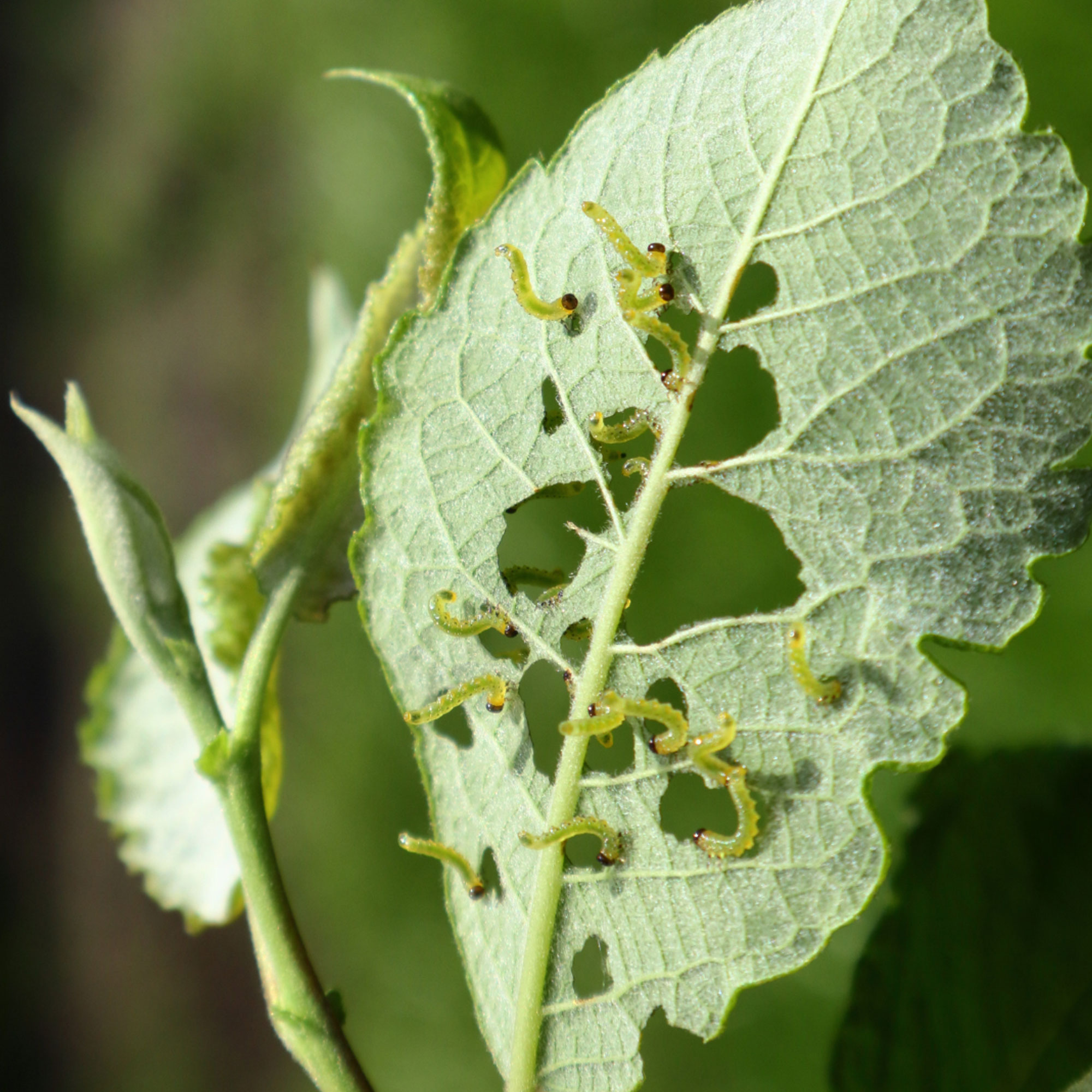
- Handpick pests: For larger pests like caterpillars or beetles, manually remove them from your plants. You can drop them into a bucket of soapy water to kill them.
8. Crop Diversity
Avoid planting large sections of a single crop to reduce the likelihood of pests targeting your garden. Instead, create a diverse garden that includes a mix of vegetables, herbs, and flowers. This helps disrupt pest populations and provides habitat for beneficial insects.
9. Soil Health
Healthy soil supports strong plants that are more resistant to pests and diseases. Use organic matter like compost, mulches, and cover crops to enhance soil health, improve drainage, and maintain fertility.
10. Encourage Beneficial Insects
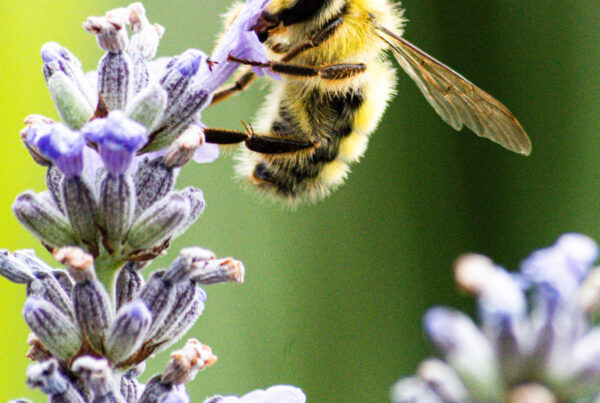
- Plant native plants: Native plants provide habitats for beneficial insects like pollinators and pest predators.
- Avoid using broad-spectrum chemicals: Broad-spectrum pesticides can kill beneficial insects along with harmful ones, disrupting the natural pest-control balance in your garden.