
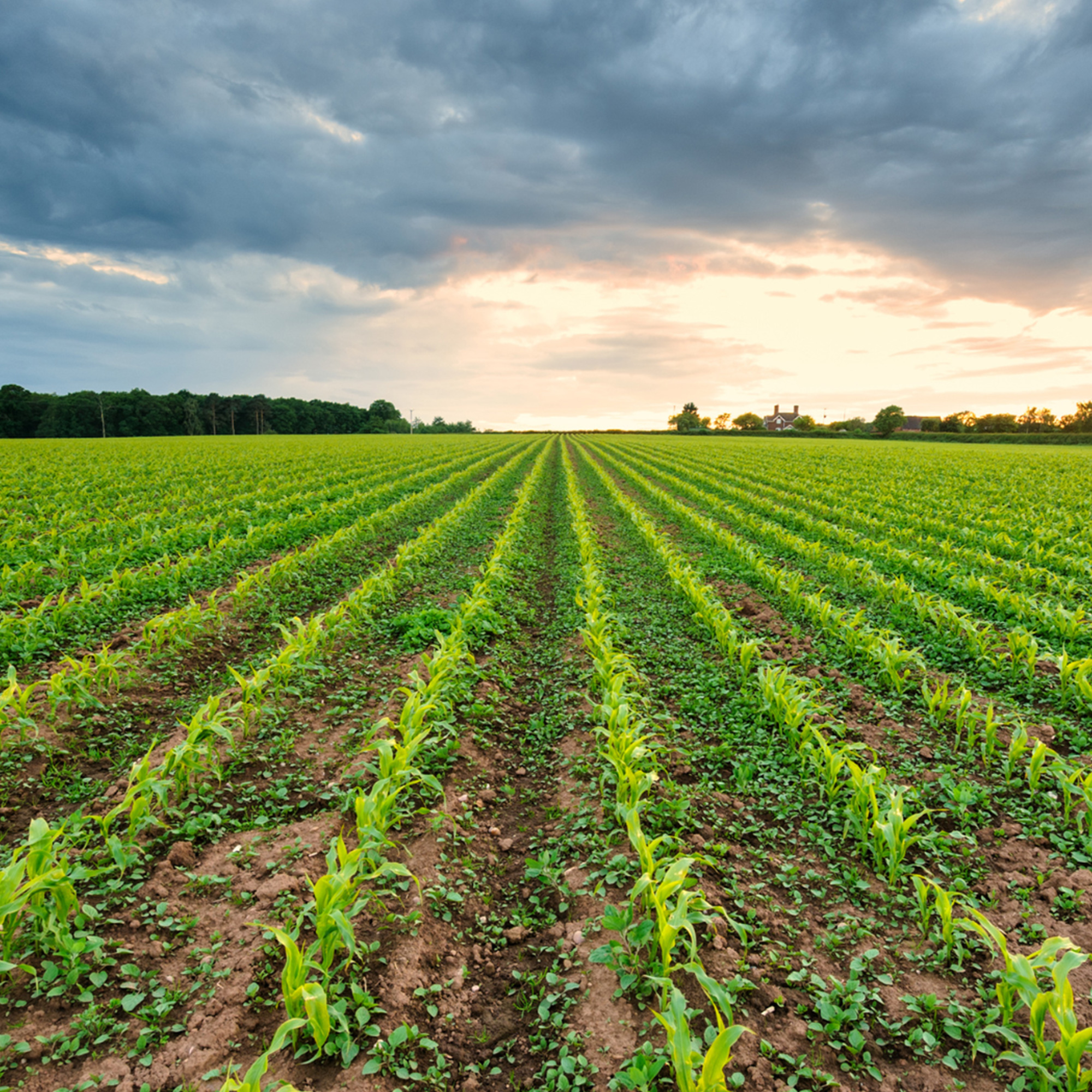
Sustainable Crop Planting
As the impacts of climate change, soil degradation, and biodiversity loss become more pressing, sustainable crop planting is no longer just a trend — it’s a necessity. In Canada, a country defined by its vast agricultural landscapes and diverse growing regions, farmers and researchers are leading the way in adopting eco-friendly, resilient farming methods that protect both the land and the livelihoods that depend on it.
🇨🇦 Why Sustainable Planting Matters in Canada
- Soil erosion and nutrient depletion
- Carbon emissions from conventional farming
- Water scarcity and runoff pollution
- Resilience to climate extremes and pests
🌾 Key Principles of Sustainable Crop Planting
1. Crop Rotation
Changing what’s planted in each field seasonally helps restore soil nutrients, break pest and disease cycles, and reduce the need for synthetic fertilizers and pesticides. For example, alternating legumes (like lentils or peas) with cereals can naturally fix nitrogen in the soil.
2. Cover Cropping
Cover crops like clover, rye, or buckwheat are planted during the off-season to protect soil from erosion, add organic matter, and suppress weeds. In Canada, they’re increasingly used on no-till or reduced-till farms across Ontario, Quebec, and the Prairies.
3. Diverse and Regionally Adapted Crops
Sustainable planting includes choosing crops that are suited to local climates and ecosystems — reducing water needs and disease vulnerability. This might mean drought-tolerant grains in Alberta or cold-hardy berries in Nova Scotia.
4. Reduced Tillage
Minimizing how often fields are plowed preserves soil structure, reduces carbon release, and increases moisture retention — essential for climate-smart farming. No-till methods are especially prominent in Saskatchewan and Manitoba.
5. Organic and Low-Input Farming
More Canadian growers are shifting toward organic practices, using compost, natural fertilizers, and biological pest controls to grow crops without synthetic chemicals.
🌿 Innovations & Indigenous Knowledge
- Precision agriculture uses data, sensors, and GPS mapping to reduce waste and apply inputs (like water and nutrients) more efficiently.
- Indigenous land stewardship practices, such as companion planting and deep understanding of local ecosystems, offer time-tested models for sustainability.
🍁 Real-World Examples
- Manitoba’s grain producers are using intercropping to grow two crops simultaneously, boosting yields and reducing chemical input.
- BC vineyards are planting native cover crops to support pollinators and manage soil health.
- Indigenous-led farms across Canada are reclaiming traditional planting methods to restore cultural knowledge and biodiversity.
🚜 The Road Ahead
The Canadian government and agri-sector are investing in climate-resilient agriculture through programs like the Sustainable Canadian Agricultural Partnership (SCAP), funding research, soil health programs, and innovation hubs.
Yet, the real transformation lies in community-level change: farmers, consumers, and policymakers working together to support food systems that are ecological, equitable, and enduring.
Conclusion
Sustainable crop planting in Canada is more than just an agricultural strategy — it’s a commitment to the land, the environment, and future generations. By embracing regenerative practices and supporting farmers who prioritize sustainability, we all become stewards of a healthier food system and planet.