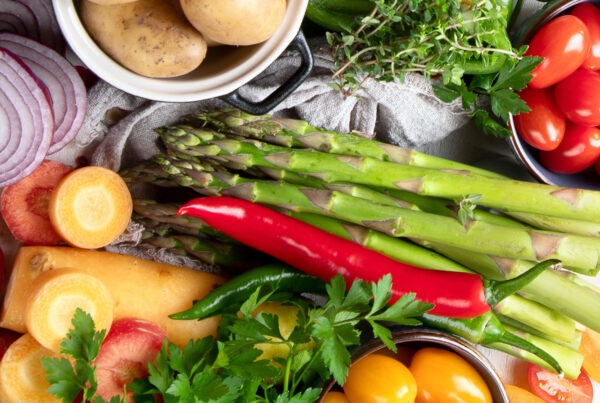

Strategy Plans to Get Involved with Farmers’ Markets
🌿 Fresh food, local love, and real connection.
There’s no better way to support your community than by getting involved with your local farmers’ market — whether you’re a grower, maker, volunteer, or loyal shopper. 🧺✨ Join the movement, meet your farmers, and celebrate the roots of real food! 🍅🌻
🎯 1. Define Your Goals
Clarify why you want to get involved:
- Selling produce or homemade goods?
- Promoting a brand or farm?
- Educating the public on sustainable food?
- Building community relationships?
Your goals will shape everything from your product setup to market selection.
📍 2. Research Local Farmers’ Markets
Make a list of markets in your region. Look for:
- Market size and type (organic-focused, artisan-heavy, etc.)
- Vendor requirements and fees
- Foot traffic and demographics
- Season length and location
👉 Pro Tip: Visit the markets in person to observe vibe, logistics, and customer flow.
📝 3. Review Application Requirements
Each market has its own process. Prepare:
- Vendor application form
- Business license or permits (especially for food sales)
- Proof of liability insurance
- Product list with pricing
- Health and safety certifications (e.g., for preserves, meats, baked goods)
🛒 4. Prepare Your Product & Booth
Create a market-ready setup:
- High-quality, well-labeled products
- Attractive signage and table display
- Sampling options (if allowed)
- Packaging that’s eco-friendly and functional
- Point-of-sale setup (cash, Square, QR code for payments)
Don’t forget: consistent branding and a warm, welcoming presence go a long way.
📣 5. Market Yourself
Once you’re in:
- Build relationships with other vendors and market organizers
- Ask about joining committees or giving demos
- Offer to host workshops or tastings to deepen your involvement
- Collect customer emails or feedback for your own growth
🧑🤝🧑 6. Connect & Collaborate
Once you’re in:
- Build relationships with other vendors and market organizers
- Ask about joining committees or giving demos
- Offer to host workshops or tastings to deepen your involvement
- Collect customer emails or feedback for your own growth
📊 7. Evaluate & Adapt
At the end of the season:
- Track sales, expenses, and best-sellers
- Ask: what worked? What didn’t?
- Consider other markets or events for next season
- Use feedback to improve your offerings and experience