Irrigation Techniques for Hot Weather
As Canadian summers grow hotter and drier in many regions, gardeners face a new challenge: how to keep plants healthy without wasting water. Whether you’re tending a backyard vegetable patch or a larger home garden, smart irrigation techniques can make the difference between a thriving space and a heat-stressed one.
The good news? With the right strategies, you can conserve water, protect your soil, and support healthy plant growth — even during the peak of summer.
☀️ Why Heat Matters
- Increase evaporation, causing soil to dry out faster
- Stress plants, especially shallow-rooted vegetables and herbs
- Lead to inefficient watering if irrigation isn’t properly managed
A smart approach to watering helps reduce water waste, lowers your utility bills, and builds long-term garden resilience.
🌿 Top Irrigation Techniques for Hot Weather Gardening
1. Drip Irrigation Systems
Best for: Raised beds, vegetable gardens, perennial borders
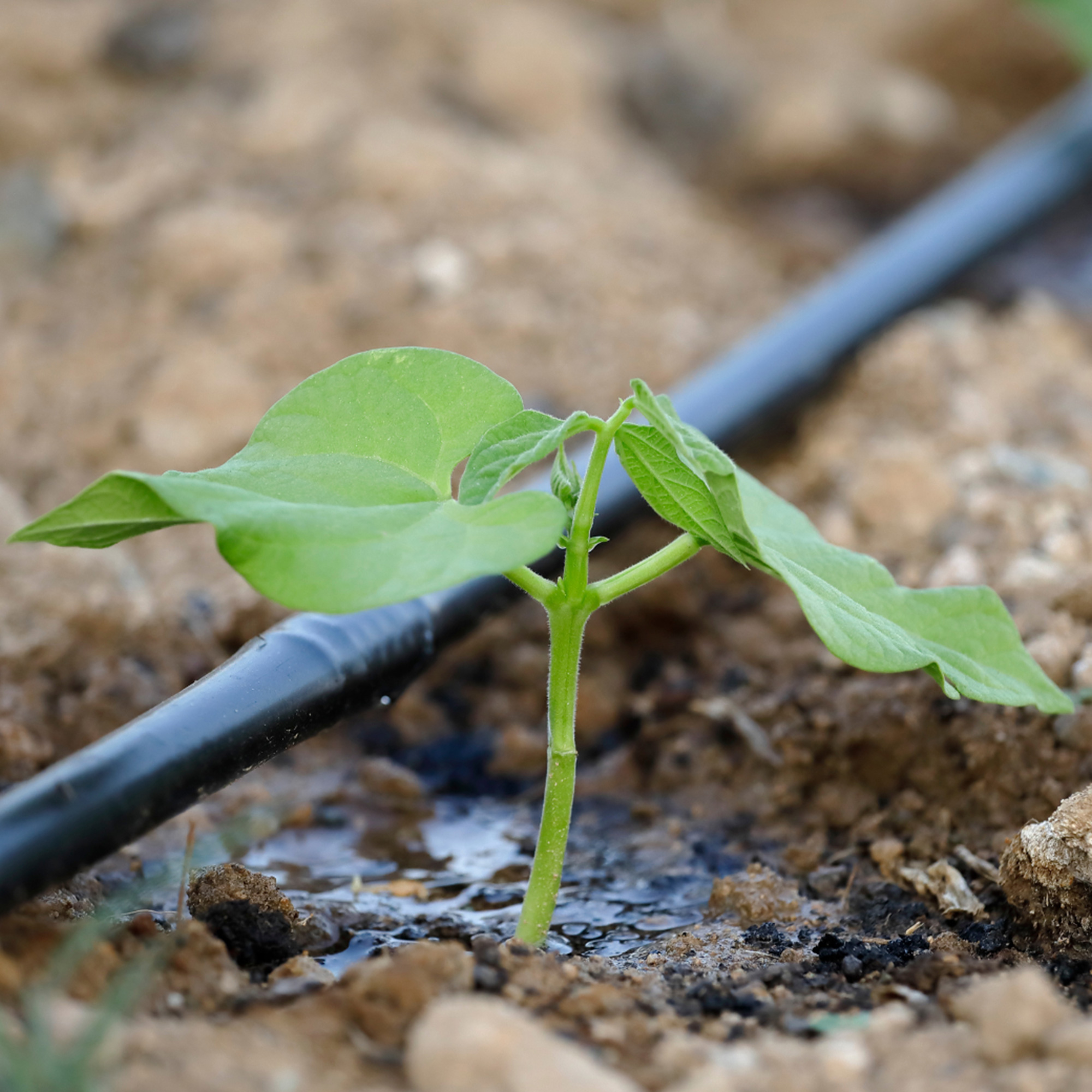
Drip irrigation delivers water slowly and directly to plant roots through tubes and emitters. It reduces evaporation, minimizes runoff, and avoids wetting leaves — which can help prevent diseases in hot, humid weather.
✅ Tip: Use a timer for early morning watering to maximize absorption.
2. Soaker Hoses
Best for: Rows of plants, shrubs, and groundcovers
Soaker hoses weep water along their entire length, saturating the soil evenly. They’re easy to install, affordable, and ideal for covering long garden beds. Burying them under a layer of mulch increases efficiency.
✅ Tip: Run them for longer periods at low pressure for deep watering.
3. Mulch, Mulch, Mulch!
Best for: Every garden type
While not an irrigation system, mulch is your garden’s best friend during hot weather. Organic mulches (straw, shredded leaves, bark chips) help retain soil moisture, reduce surface evaporation, and insulate plant roots.
✅ Tip: Apply 2–4 inches of mulch and keep it a few inches away from stems to prevent rot.
4. Watering at the Right Time
Best for: All gardens
Time of day matters. Watering early in the morning (before 9 AM) allows moisture to soak in before the sun evaporates it. Avoid watering in the afternoon heat or late evening, which can promote fungal growth.
✅ Tip: Use a moisture meter or stick your finger into the soil — if it’s dry 2 inches down, it’s time to water.
5. Rain Barrels and Water Harvesting
Best for: Sustainable gardeners
Capture rainwater from your roof and store it in a barrel for use during dry spells. It’s free, natural, and perfect for hand-watering sensitive plants like herbs and seedlings.
✅ Tip: Use a fine mesh cover to prevent mosquitoes and debris.
6. Hydrozoning
Best for: Medium to large gardens
Group plants with similar water needs together. For example, drought-tolerant herbs (like thyme or sage) don’t need as much water as leafy greens. Hydrozoning ensures more efficient watering with fewer resources.
✅ Tip: Label garden zones and water accordingly using adjustable irrigation heads or valves.
🌱 Bonus Tips for Canadian Gardens
- Use native or drought-tolerant plants in landscaping to reduce water demand.
- Deep, less frequent watering is better than shallow, frequent watering — it encourages deeper roots.
- Raise beds or use compost-rich soil to improve water retention and drainage.
Smart irrigation isn’t just about saving water — it’s about building a resilient, productive, and environmentally friendly garden. As summers in Canada continue to shift, using these water-wise techniques will help your garden thrive even through heat waves.
Whether you’re a beginner or a seasoned grower, these irrigation strategies will keep your plants happy, your soil healthy, and your harvests strong — no matter how high the temperatures climb.