
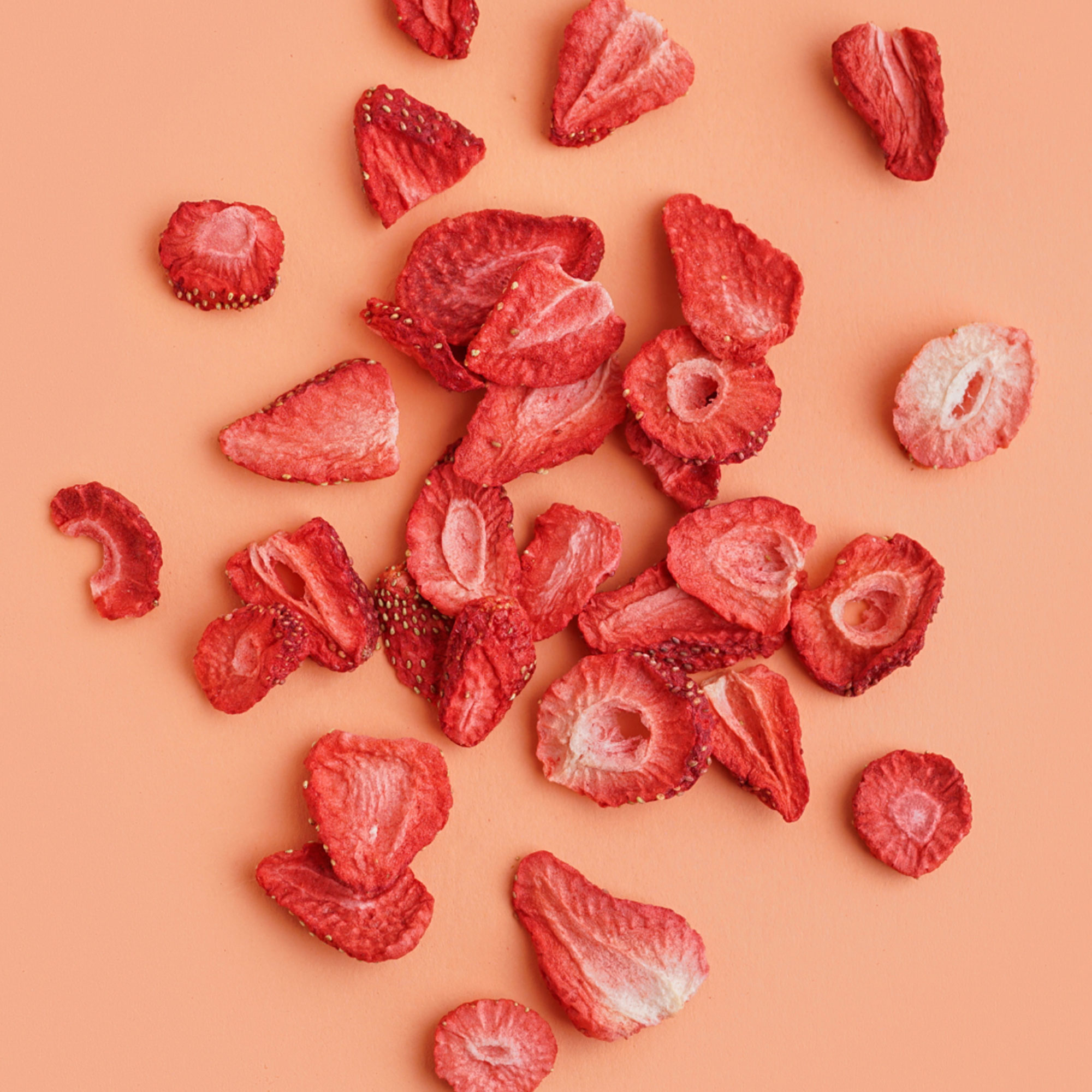
Health Benefits & Versatility of Dried Berries
Dried berries are not only delicious and convenient, but they also pack a powerful nutritional punch—especially when dried using traditional Indigenous methods that preserve their natural goodness. Here’s a breakdown of the key health benefits of dried berries:
🍓 1. High in Antioxidants
- Dried berries like blueberries, chokecherries, and cranberries are rich in anthocyanins and polyphenols.
- These compounds help protect cells from oxidative stress, which can reduce the risk of chronic diseases like heart disease and cancer.
🛡️ Antioxidants act like tiny bodyguards for your cells.
💪 2. Excellent Source of Fibre
- Dried berries retain their natural fiber, especially if the skins are left on.
- Fibre aids in digestion, helps regulate blood sugar, and supports gut health by feeding beneficial bacteria.
🌿 Just a small handful can help keep things moving.
❤️ 3. Heart Health Boost
- Berries help reduce LDL cholesterol (“bad cholesterol”) and improve blood vessel function.
- Their anti-inflammatory properties support healthy blood pressure and circulation.
💓 Especially important for kids and elders in Indigenous communities where heart health is a concern.
🧠 4. Brain & Mood Support
- The antioxidants and natural sugars in dried berries help with focus, memory, and energy.
- Some studies suggest they support cognitive function and may help prevent age-related decline.
🧠 Snack for your brain!
🍬 5. Natural Sweetness with Fewer Crashes
- Dried berries provide natural sugars, but when eaten in moderation, they don’t spike blood sugar like candy or juice.
- When dried slowly (like Indigenous sun-drying), they retain more nutrients and fewer added sugars compared to commercial versions.
🍭 Skip the gummies—go for nature’s original fruit snacks.
🌿 6. Rich in Micronutrients
Dried berries are a good source of:
- Vitamin C (especially in cloudberries, strawberries)
- Iron and potassium
- Vitamin K (important for blood health)
- Calcium (in some like sea buckthorn)
🥄 These tiny fruits carry big mineral power.
🧺 7. Shelf-Stable & Travel-Friendly
Dried berries can be stored without refrigeration, making them perfect for:
- School snacks
- Trail food
- Emergency food stores
✨ Used traditionally by Indigenous communities for survival during winter and on long journeys.
🪶 8. Traditional Indigenous Uses:
- Chokecherries were dried and used in pemmican—combining protein, fat, and fiber.
- Saskatoon berries were mixed into stews or ground into flour for baking.
- Cranberries were used for medicine as well as food, valued for their anti-inflammatory effects.


