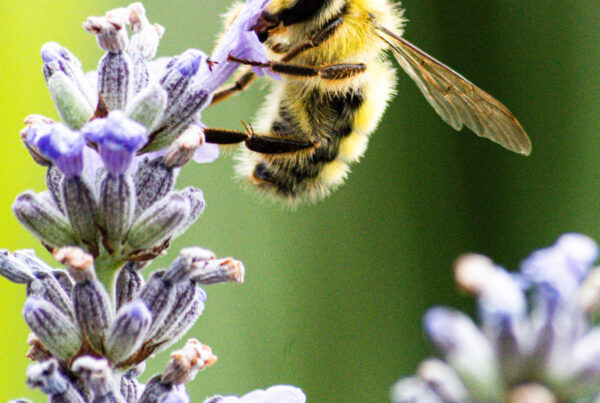

Harnessing the Power of Pollinators: Why Bees are Great Farming Partners
Pollinators are essential farming partners because they play a crucial role in ensuring the health and productivity of many crops. Here are some reasons why pollinators are so beneficial for farming:
1. Increased Crop Yields
2. Biodiversity Boost
3. Reduced Need for Artificial Pollination
While some crops can be manually pollinated, it’s labor-intensive and costly. Pollinators provide free, natural pollination, reducing the need for expensive human intervention or mechanical pollination systems. This makes farming more efficient and cost-effective.
4. Improved Soil Health
Pollinators indirectly support soil health. As they help plants thrive, it leads to better root growth and a more stable plant structure. This helps with water retention, nutrient cycling, and soil quality. Healthier plants also reduce the need for chemical fertilizers and pesticides, which can harm the environment.
5. Sustainability and Ecosystem Health
Farmers who work with pollinators promote sustainable farming practices. Pollinators contribute to healthier ecosystems by supporting a variety of plants that attract other beneficial organisms, such as natural pest predators. By integrating pollinators into farming, farmers foster a more resilient ecosystem that can withstand pests, diseases, and environmental changes.
6. Economic Value
The economic value of pollination to agriculture is immense. Many of the foods we rely on, including fruits, vegetables, nuts, and seeds, depend on pollinators. By maintaining pollinator populations, farmers can increase crop profitability and ensure long-term food security for both local and global markets.
In short, pollinators are essential to farming because they help grow healthier, more diverse crops, reduce costs, and contribute to a more sustainable farming system. By working with these natural allies, farmers can ensure the continued productivity of their land and support a healthy environment for generations to come! 🌸🐝🌾