From Farm to Table: The Journey of Dried Produce
From sun-kissed orchards to your snack bowl. It all starts on the farm, where ripe fruits are handpicked at peak freshness 🌿. They are then gently dried – either by the sun or with care in dehydrators, to lock in nutrients and natural sweetness. After a quality check, they’re packed and ready to bring a burst of flavour to your meals, snacks, or desserts.
Healthy, wholesome, and straight from nature 💛
Dried produce goes through a carefully planned process that combines agriculture, science, and logistics to land on your grocery shelf. Here’s the play-by-play:
🌱 1. Grown with Purpose
- Certain varieties have better flavor, sugar content, or texture when dried.
- Timing of harvest matters: fruits are usually picked at peak ripeness for max sweetness and nutrients.
📍 Examples:
- Apricots, grapes, and plums are grown in sun-rich regions like California or Turkey for drying.
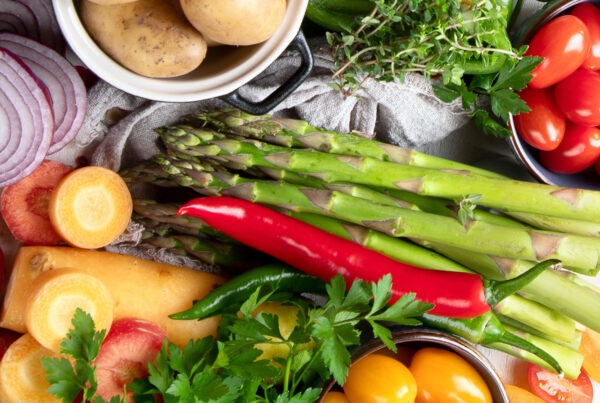
- Tomatoes for sun-drying are often Roma-type for their low moisture.
🧺 2. Harvesting
- Sugar content is high (for fruits)
- Flavour is strong and concentrated
- Water content is manageable for drying
Sometimes, slightly blemished or smaller produce is used — it’s still perfectly good but not marketable as fresh.
🌞 3. Drying or Dehydrating
🔆 Sun-Drying
- Traditional and low-cost method
- Used for tomatoes, figs, dates, and grapes (turned into raisins)
- Takes several days and requires dry, hot climates
🔥 Oven or Tunnel Drying
- Industrial ovens blow hot, dry air across produce
- Fast and consistent — perfect for apples, bananas, mango, etc.
💨 Freeze-Drying
- Used for higher-end or specialty products (like strawberries or blueberries)
- Freezes produce, then removes moisture via vacuum — keeps shape, flavor, and nutrients intact
🌬️ Dehydrators
- Small-scale electric machines mimic air-drying — used by farms or small businesses
🔒 4. Sorting, Quality Control & Processing
- Sorted by size, color, and quality
- Sometimes lightly coated in oil or sugar (e.g. dried cranberries)
- Pasteurized or heat-treated to kill bacteria
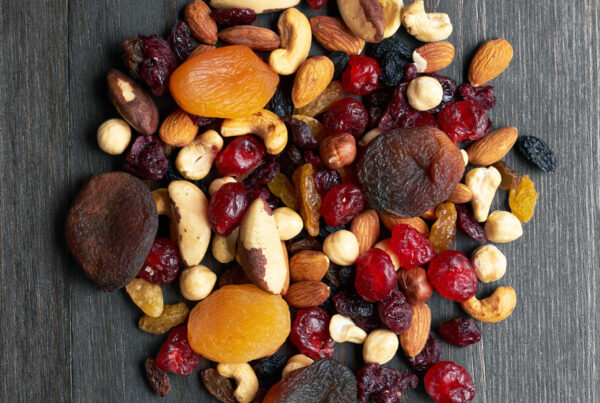
- Chopped or packaged depending on use (like trail mix vs whole dried figs)
Some are also sulphured to preserve colour — especially apricots or peaches.
📦 5. Packaging & Storage
- Packed in airtight, moisture-resistant bags or containers
- Often flushed with nitrogen to prolong shelf life
- Stored in cool, dry warehouses until distribution
🛒 6. Distribution to Stores or Brands
- To grocery stores, in bulk or branded packs
- To bakeries or restaurants
- Into snack products, cereals, energy bars, or trail mixes
🔁 Bonus: The Upcycled Loop
Some dried produce (like bananas or apples) may be made from “ugly” or surplus fruit, contributing to sustainability by reducing food waste.