
Benefits of Companion Planting
Companion planting is the practice of planting certain crops together that benefit each other in various ways. This gardening technique has numerous advantages, making it popular among both home gardeners and professional farmers. Here are the key benefits of companion planting:
1. Pest Control
- Marigolds are known to repel aphids, nematodes, and other insects.
- Basil planted near tomatoes can help deter hornworms.
- Garlic can help keep pests like aphids and beetles away from other plants.
This reduces the need for chemical pesticides, promoting a healthier garden ecosystem.
2. Improved Pollination
- Sunflowers attract bees, which can help with the pollination of nearby plants like squash, tomatoes, and peppers.
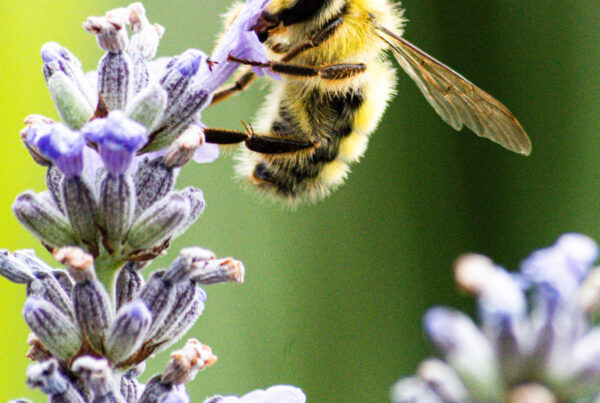
- Lavender also draws pollinators and can improve the yield of nearby plants.
Better pollination leads to more abundant and healthy crops.
3. Maximized Space
- Bush beans and corn are great companions because beans can climb the corn stalks, saving space.
- Cucumbers can grow well with beans, as beans can help shade the soil and reduce competition for nutrients.
This is especially beneficial for gardeners with limited space, such as those practicing urban or container gardening.
4. Natural Support for Growth
- Corn can act as a natural support for climbing beans, which benefit from the height and structure of corn stalks.
- Cucumbers and radishes can grow together, as radishes can act as a natural pest deterrent for cucumbers.
This helps plants grow healthier and stronger by using available resources efficiently.
5. Soil Health and Fertility
- Legumes, like beans and peas, can fix nitrogen in the soil, enriching it for other plants.
- Comfrey can act as a dynamic accumulator, bringing up nutrients from deep within the soil to the surface, making them available to other plants.
- Certain plants, like mustard greens, can also help with soil aeration and improve drainage.
By rotating companion plants, you can keep the soil healthy and reduce the need for synthetic fertilizers.
6. Enhanced Flavours and Growth
- Basil enhances the flavor of tomatoes when planted nearby.
- Chives planted near carrots can help improve the flavor of both.
This mutually beneficial relationship helps increase the quality of the crops and can make them taste better.
7. Disease Prevention
- Nasturtiums are known to repel aphids and other insects, reducing the likelihood of diseases like blight and mildew.
- Garlic and onions can help prevent fungal diseases and root rot in crops like tomatoes and carrots.
Companion planting helps create a balanced garden ecosystem, which can naturally fight off many common plant diseases.
8. Aesthetic Appeal
- Pairing lavender with yellow marigolds or purple basil with green beans adds both beauty and functionality to the space.
- Mixing flowers with edible plants can create an ornamental yet productive garden.
This adds beauty while maintaining the functionality of a well-organized garden.
9. Reduced Weeds
- Strawberries planted alongside spinach or lettuce can shade the ground, preventing weed growth.
- Oregano or thyme as ground covers can act as a natural mulch, reducing weeds in vegetable beds.
By reducing weed growth, companion planting saves time and effort on weeding.