Benefits of Succession Planting
Succession planting is a smart gardening and farming technique where crops are planted in a staggered manner to ensure continuous harvests throughout the growing season. Whether you’re growing on a small backyard plot or a large-scale farm, this method offers a wide range of benefits:
🌱 Key Benefits of Succession Planting
1. Extended Harvests
- More consistent fresh produce
- Less waste or spoilage
- Easier harvest management
2. Maximized Use of Space
As soon as one crop is harvested, you can replant that space with another. This keeps your garden or field productive from early spring to fall.
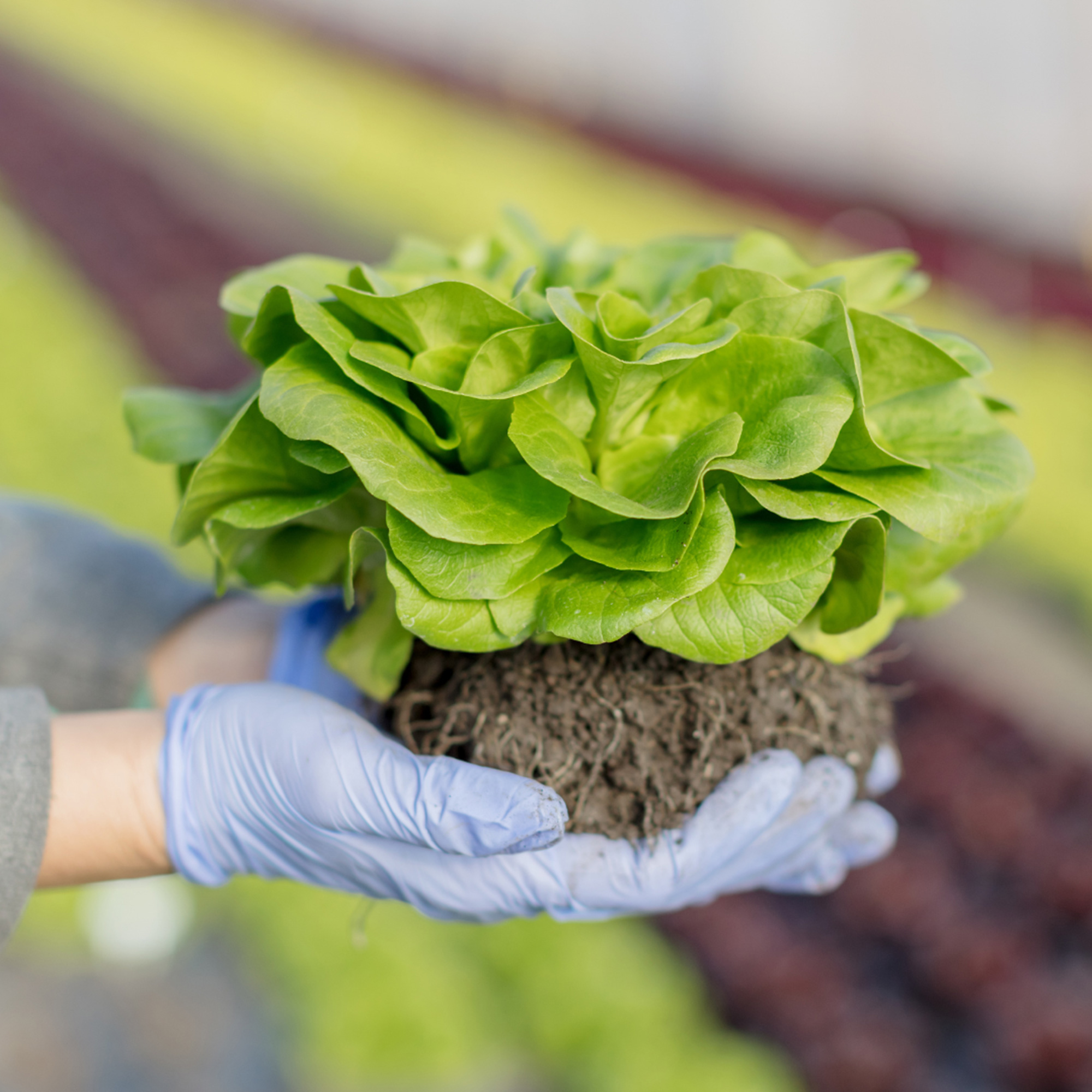
✅ Example: Plant lettuce in early spring, then switch to bush beans or kale in midsummer.
3. Improved Soil Health
Rotating different crops in quick succession can support soil fertility and structure, especially when integrating legumes (which fix nitrogen) or deep-rooted crops that help break up the soil.
4. Reduced Pest & Disease Pressure
Succession planting disrupts pest and disease cycles by changing what’s in the ground regularly. This makes it harder for pests and pathogens to establish themselves long-term.
5. Better Adaptation to Climate Shifts
Staggering plantings increases the odds of at least some crops avoiding late frosts, heat waves, drought, or heavy rain — improving your garden’s climate resilience.
6. Consistent Income or Supply
For market gardeners and small farms, succession planting helps provide a steady flow of crops for markets, CSA boxes, or restaurants — not just a one-time bulk harvest.
7. Optimized Labor & Harvest Planning
With staggered plantings, you can spread out your workload — planting, weeding, and harvesting become more manageable and less overwhelming.
🌼 Common Crops Ideal for Succession Planting:
- Leafy greens (lettuce, spinach, arugula)
- Root vegetables (carrots, beets, radishes)
- Herbs (cilantro, dill)
- Beans and peas
- Brassicas (broccoli, cabbage)
Succession planting takes a little planning — but the payoff is a healthier garden, less waste, and more food.