Importance of Traditional Indigenous Education
🌱 1. Generational Knowledge & Sustainability
- Traditional drying methods (like sun-drying, smoke-drying, or air-drying) are eco-friendly and don’t rely on electricity.
- Techniques are based on local climate, geography, and seasonal rhythms, passed down orally or through hands-on teaching.
✅ Learning these ways means preserving both food and culture sustainably.
🔥 2. Deep Understanding of Ingredients
For example:
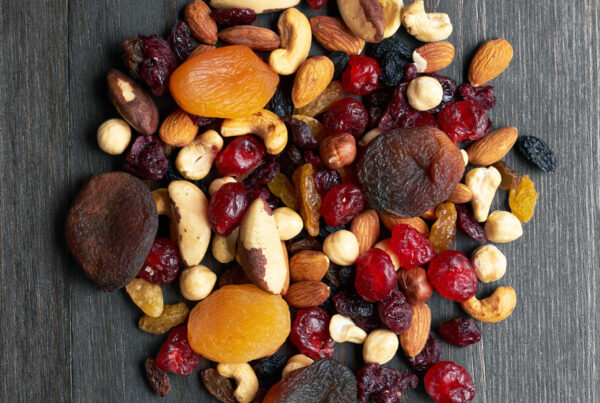
- Drying berries like Saskatoon berries or chokecherries involves specific techniques to retain nutrients and flavor.
- Drying fish or game meat requires knowing the right temperature, smoke type, and timing—skills honed over centuries.
📚 This kind of education isn’t found in textbooks—it’s lived experience.
🌎 3. Food Sovereignty & Cultural Resilience
- Teaching drying methods strengthens community health by reducing reliance on store-bought, processed foods.
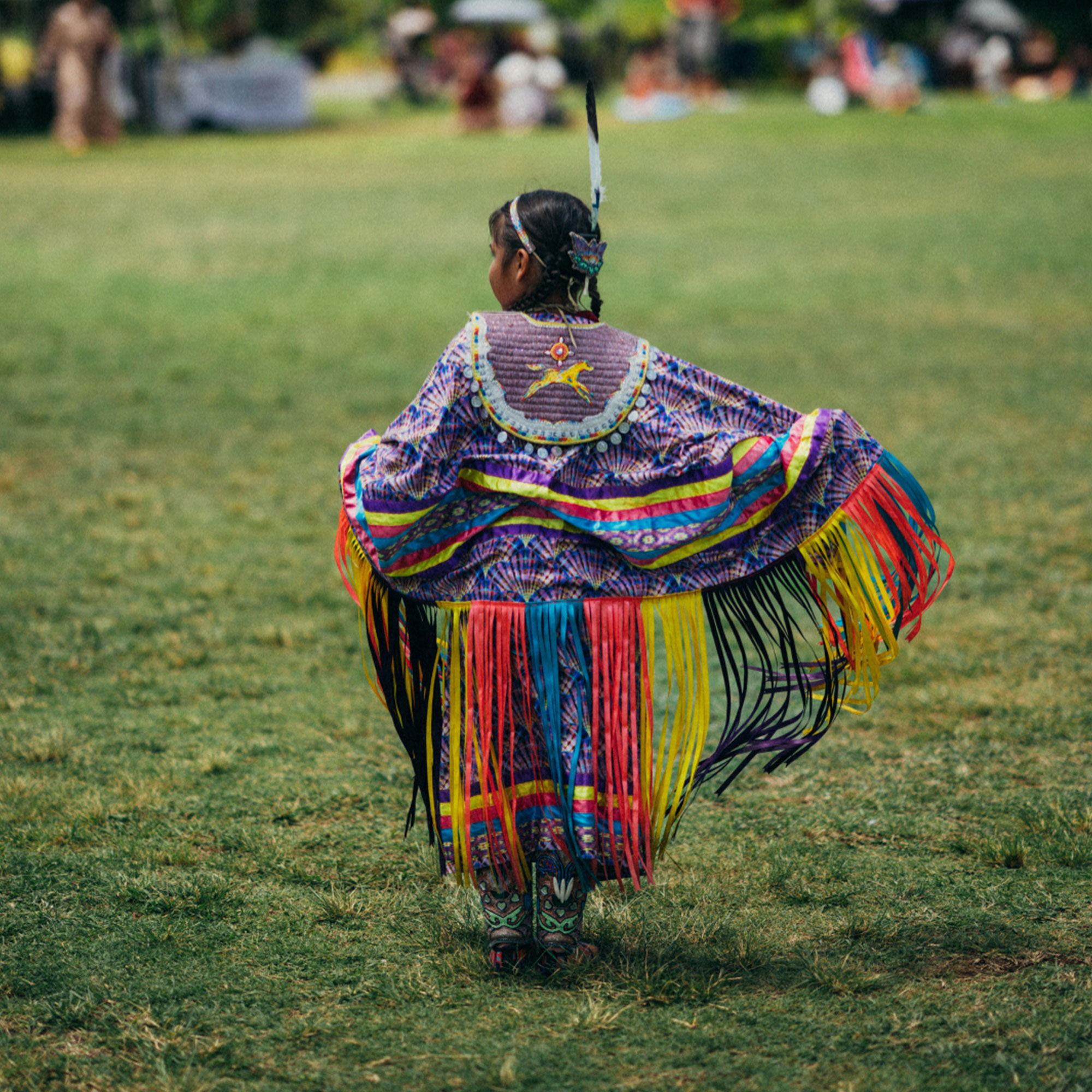
- It also revives ceremonial and communal aspects of food prep, like group harvests or seasonal gatherings.
💬 “Drying food” isn’t just a task—it’s a story, a celebration, and a way of remembering who you are.
🧒🏽 4. Empowering Youth & Reviving Languages
- They gain practical survival skills and cultural pride.
- They often learn in Indigenous languages, reinforcing linguistic identity.
- It builds intergenerational connections—elders become teachers, and youth become stewards of tradition.
👣 It’s a way to walk in two worlds—honoring the past while building a strong future.
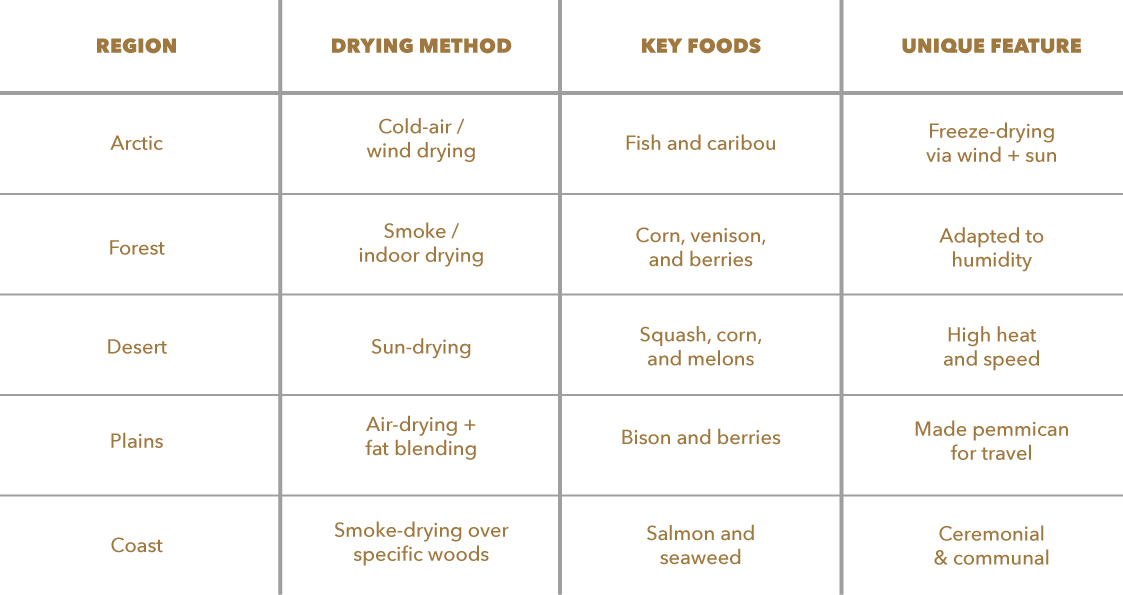
The food-drying practices of Indigenous communities vary widely depending on geography, climate, available resources, and cultural traditions. Here’s a breakdown of how these processes differ across regions and nations, with a few standout examples:
🏔️ Arctic & Subarctic Regions (e.g., Inuit, Dene, Gwich’in)
❄️ Cold-Air & Wind Drying
- Climate Adaptation: In cold climates, drying happens using wind and cold air rather than heat.
- Foods Dried: Arctic char, caribou, whitefish, and sometimes berries like cloudberries.
- Method: Strips of fish or meat are hung on drying racks outside, sometimes lightly smoked.
- Example: Inuit communities often dry fish in spring when temperatures are below freezing but the sun is strong—ideal for low-moisture, high-protein dried food.
🧊 Drying in cold air prevents spoilage without salt or refrigeration—a survival method rooted in deep knowledge of seasonal shifts.
🌲 Woodland/Forest Regions (e.g., Anishinaabe, Cree, Haudenosaunee)
🔥 Smoke-Drying & Indoor Methods
- Climate Adaptation: Frequent rain and forest humidity mean that open-air drying isn’t reliable.
- Foods Dried: Corn, venison (jerky), berries, and mushrooms.
- Method: Foods are dried near low fires in smokehouses or inside lodges over long periods.
- Example: Haudenosaunee (Iroquois) dried “Three Sisters” crops (corn, beans, squash) for winter storage.
🌽 Smoke not only dries but also preserves food and adds antimicrobial properties—an ingenious blend of food safety and flavour.
🌵 Desert & Plateau Regions (e.g., Navajo/Diné, Hopi, Ute)
☀️ Sun-Drying on Rocks or Rooftops
- Climate Adaptation: Arid conditions allow effective sun-drying outdoors.
- Foods Dried: Corn, squash, beans, melons, and wild plants like amaranth.
- Method: Foods were traditionally sliced and placed on rooftops or flat rocks, with drying occurring rapidly.
- Example: The Hopi dried thin slices of squash to make “squash chips” for soups or stews.
🔥 Intense sun made it possible to preserve food quickly—essential for food security in a harsh environment.
🌾 Plains Nations (e.g., Lakota, Blackfoot, Cheyenne)
🛖 Air-Drying Meat for Pemmican
- Foods Dried: Bison meat, berries (especially chokecherries and Saskatoons).
- Method: Meat was dried into thin strips and combined with dried berries and fat to make pemmican, a high-energy survival food.
- Storage: Often wrapped in hide or bark for long journeys or winter.
🥩 Pemmican is one of the most nutrient-dense, long-lasting foods in the world—an innovation from Plains cultures.
🏞️ Pacific Northwest (e.g., Coast Salish, Tlingit, Nuu-chah-nulth)
🌫️ Smoke-Drying Over Cedar Fires
- Foods Dried: Salmon, eulachon, seaweed, roots like camas.
- Method: Fish are split, cleaned, and hung in smokehouses, using specific woods (like alder or cedar) to enhance flavour and preservation.
- Cultural Practice: Salmon drying is often part of a larger seasonal round, with community and ceremony tied into the process.
🐟 Salmon drying is not just about preservation—it’s a deeply sacred act connected to gratitude and reciprocity with nature.
✨ Key Differences Between Communities: