Canadian Mushroom Foraging
Foraging for Canadian mushrooms can be a rewarding and exciting experience, but it requires careful knowledge and caution. Many wild mushrooms are edible and delicious, but others are toxic and can cause serious harm. Below is a guide to help you safely forage for mushrooms in Canada:
1. Know the Basics:
- Educate Yourself: The most important step before foraging is to learn how to properly identify mushrooms. There are countless mushroom species, and while many are edible, some can be deadly. Consider taking a foraging course or joining a local mycology club to improve your knowledge.
- Use a Field Guide: Always carry a mushroom field guide with you. There are several good ones specific to Canada, like Mushrooms of Ontario and Eastern Canada by Michael Kuo. You can also download foraging apps like iNaturalist for quick identification.
- Bring a Notebook: Take notes on what you find, including the size, color, shape, smell, and habitat of the mushroom. This helps confirm its identification when you get home.
2. When to Forage:
- Best Seasons: In Canada, mushrooms can be foraged during the warmer months, typically from spring to fall. For example:
- Spring (May-June): Morels and other early-season mushrooms.
- Summer (July-August): A variety of mushrooms like chanterelles and boletes.
- Fall (September-November): Larger mushrooms like puffballs and lion’s mane.
- Winter can also have a few species, but it’s generally not the best time for foraging.
3. Choosing a Safe Foraging Location:
- Woodlands and Forests: Many mushrooms, including chanterelles and morels, grow in forests, especially near hardwood trees such as oak, birch, and maple.
- Wetlands and Mossy Areas: Fungi love damp, shady places. Look near streams, swamps, or in areas with decaying wood or fallen leaves.
- Open Fields and Meadows: Some mushrooms, like puffballs, grow in meadows or grasslands.
Important Safety Tip: Avoid areas that may be contaminated with pesticides, herbicides, or pollution. Urban environments are not ideal places to forage for edible mushrooms.
4. Mushroom Identification:
- Examine the Cap: Look at the shape, texture, and color of the cap. Some mushrooms have smooth, sticky, or scaly caps, while others are wrinkled or ribbed.
- Check the Gills: Some mushrooms have gills that are white, yellow, or dark brown. The spacing and attachment of the gills can also help with identification.
- Smell the Mushroom: Certain mushrooms have distinctive smells. For example, chanterelles often have a fruity, apricot-like fragrance.
- Examine the Stem: Look for characteristics like the size, shape, and whether the stem is hollow or solid. Some mushrooms have a ring or veil on the stem that’s important for identification.
- Spore Print: Place the mushroom cap, gills down, on a white piece of paper for several hours. The colour of the spores left on the paper can provide clues to the mushroom’s identity.
5. Popular Edible Mushrooms in Canada:
- Morels (Morchella spp.): These are spring mushrooms that are highly sought after for their distinctive appearance and rich flavor. They have a honeycomb-like appearance and grow in forests, often near decaying wood or disturbed areas.
- Chanterelles (Cantharellus spp.): Bright yellow or orange mushrooms with a fruity, apricot-like scent. Chanterelles are delicious and commonly found in forested areas with hardwood trees.
- Boletes (Boletus spp.): These mushrooms often have thick stems and spongy, pore-like gills instead of traditional gills. They’re commonly found under conifers and hardwoods.
- Puffballs (Lycoperdon spp.): White, round mushrooms that grow in grassy areas. When they mature, they release spores in a puff when disturbed. They are delicious when young and firm.
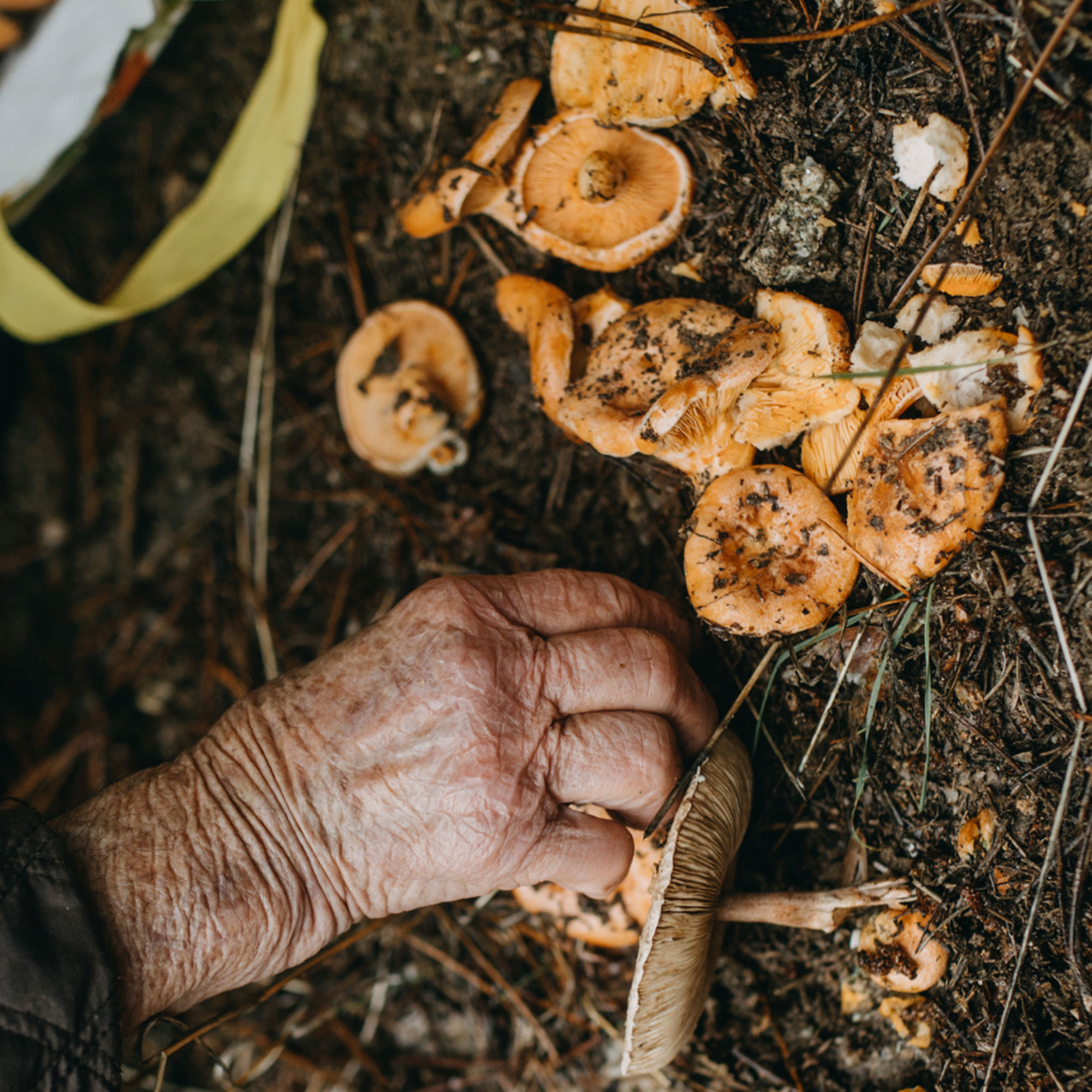
- Lobster Mushrooms (Hypomyces lactifluorum): Bright orange mushrooms that resemble lobsters, often found growing on other mushrooms, especially chanterelles.
- Lion’s Mane (Hericium erinaceus): A unique, white, shaggy mushroom that looks like a lion’s mane. It grows on hardwood trees and has a flavour similar to seafood.
6. Avoid Toxic Mushrooms:
- Amanita species (e.g., Amanita muscaria and Amanita phalloides) – Highly toxic and responsible for most mushroom poisoning deaths. They can be confused with edible mushrooms, so always double-check!
- Death Cap (Amanita phalloides): This is one of the most toxic mushrooms in the world. It has a similar appearance to some edible species, so caution is essential.
- Jack-o’-Lantern Mushroom (Omphalotus olearius): These mushrooms glow in the dark and are toxic, so avoid them.
7. How to Harvest Mushrooms:
- Use a Knife: Always use a knife to cut the mushroom at the base of the stem. This prevents damaging the surrounding mycelium (the fungal “root” system) and ensures the mushroom can grow again next season.
- Leave Some Behind: For sustainability, avoid over-harvesting. Leave some mushrooms behind for the ecosystem and future generations of fungi.
8. How to Safely Prepare and Cook Mushrooms:
- Cook All Mushrooms: Never eat wild mushrooms raw, as they can cause digestive issues or toxicity in some species. Cooking will neutralize toxins in some mushrooms and enhance their flavor.
- Start Small: If you’re trying a new mushroom species, start by eating a small amount to check for any adverse reactions.
9. Foraging Ethics and Regulations:
- Respect Nature: Be mindful of the environment, and don’t damage the habitat while foraging. Stick to sustainable practices.
- Check Local Regulations: In some provinces or national parks, foraging might require a permit, or there might be restrictions on what can be collected.
10. Always Err on the Side of Caution:
If you’re ever uncertain about a mushroom’s identity, don’t eat it. Some edible mushrooms have toxic look-alikes, and the risks are too high to take chances.
Foraging mushrooms in Canada can be a fun and educational experience, but it’s crucial to approach it with respect and caution. Make sure you are confident in your mushroom identification skills and always prioritize safety. Happy foraging! 🍄🌲