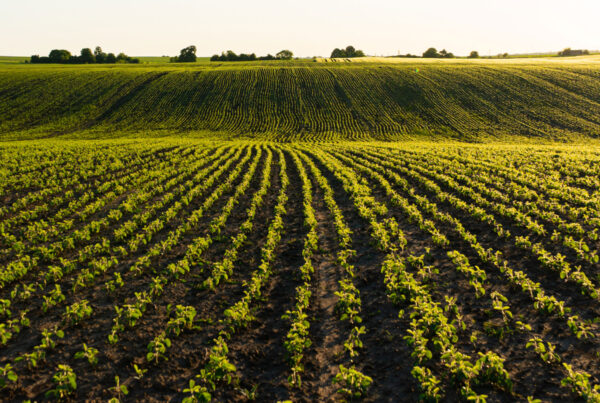

Farmland Conservation & Preservation
Canada employs a range of strategies to conserve farmland, balancing agricultural production with environmental sustainability. These conservation efforts are crucial for maintaining agricultural land, protecting ecosystems, and ensuring food security for future generations.
Here are some of the key ways Canada conserves farmland:
1. Land Use Planning and Zoning
- Land use policies at both provincial and municipal levels often designate areas for agricultural use, preventing urban sprawl from encroaching on farmland.
- Agricultural land reserves (ALRs) are designated regions in certain provinces, like British Columbia, where farmland is protected from development. These reserves are intended to preserve land for agricultural purposes and prevent it from being used for residential, commercial, or industrial development.
2. Farmland Protection Legislation
- Several provinces in Canada have passed laws to protect farmland. For example:
- British Columbia has the Agricultural Land Reserve (ALR), a land-use zone where agricultural activities are encouraged, and non-agricultural uses are restricted.
- Ontario’s Greenbelt includes protected agricultural lands around urban areas to limit development and encourage farming in and around cities.
- Other provinces have local initiatives and regulations to prevent farmland conversion to other uses.
3. Conservation Easements
- Conservation easements are agreements between landowners and conservation organizations or government entities to protect farmland from development in perpetuity. These agreements limit certain types of land use (such as residential or commercial development) while allowing the land to continue to be farmed.
- Easements can help preserve environmentally sensitive areas and maintain wildlife habitat while ensuring that farming activities continue.
4. Supporting Sustainable Agricultural Practices
- Governments and organizations encourage farmers to adopt sustainable practices that conserve soil, water, and biodiversity, thus improving the longevity and productivity of agricultural land.
- Practices like crop rotation, cover cropping, no-till farming, and agroforestry help maintain the fertility and health of the land, reducing soil erosion and nutrient depletion.
- Environmental Farm Plans (EFPs) help farmers assess and mitigate the impact of their farming practices on the environment, including soil health and water use.
5. Tax Incentives and Subsidies
- Some provinces and the federal government offer tax incentives or subsidies to landowners who maintain their land for agricultural purposes rather than selling it for development. These incentives can reduce the financial pressure that farmers face when it comes to selling land.
- For example, Farm Property Class Tax Rate Program in Ontario provides lower property taxes for lands actively used in farming.
6. Land Stewardship Programs
- Programs like Canadian Agricultural Partnership (CAP) provide financial support for farmers to adopt sustainable farming practices and invest in land conservation measures such as erosion control, water management, and habitat restoration.
- The Environmental Farm Plan (EFP) is a voluntary program where farmers assess their land and make improvements that help conserve the land for future generations.
7. Promoting Local and Regional Food Systems
- Supporting local food systems reduces pressure on farmland from large-scale industrial agriculture, which can lead to the degradation and loss of farmland.
- Direct marketing (e.g., farmers’ markets, Community Supported Agriculture) and local food networks encourage sustainable farming practices and reduce the demand for large-scale industrial development on agricultural lands.
8. Public Awareness and Education
- Canadian organizations like Farm Credit Canada and Canadian Federation of Agriculture provide educational resources on the importance of farmland conservation.
- Public awareness campaigns help farmers and the general public understand the need for farmland conservation and its role in long-term food security and environmental health.
9. Soil Conservation and Erosion Control
- Programs and initiatives that focus on soil conservation are critical to maintaining productive farmland. This includes practices like contour farming, terracing, and windbreaks to prevent soil erosion and preserve soil health.
- By addressing issues like erosion, Canada can ensure that agricultural land remains viable for future generations.
10. Incentives for Landowners to Keep Land in Agriculture
- Landowners may receive financial incentives to keep their land in agricultural production rather than selling it for non-agricultural development. For instance, conservation programs sometimes offer farmers compensation or tax breaks for maintaining farmland in agricultural use.
- Transfer of farm ownership programs help ensure farmland stays within farming families, reducing the likelihood of farmland being sold off for development or non-agricultural purposes.
11. Farm Succession Planning
- Ensuring the next generation of farmers takes over family farms is a key strategy in farmland conservation. Government programs, non-profits, and industry groups help farmers with succession planning, ensuring that land stays in agricultural use rather than being sold to developers.
- There are initiatives to support young farmers and new entrants into agriculture, which helps preserve farmland by encouraging its continued use in farming.
12. Grazing and Livestock Management
- Rotational grazing and sustainable livestock management can help conserve grasslands and reduce the risk of land degradation. These practices maintain soil health and preserve ecosystems while still supporting farming activities.
- Integrated grazing systems are designed to keep land productive and prevent overgrazing, which can lead to erosion and the loss of farmland.
13. Urban Agriculture and Green Spaces
- Promoting urban agriculture and protecting green spaces within urban areas can help maintain agricultural practices close to cities, preventing sprawl from taking over valuable farmland.
- Many cities in Canada are encouraging community gardens, urban farms, and other green initiatives, which make use of smaller plots of land but also contribute to the preservation of agricultural land outside the urban core.
14. Climate Change Adaptation
- As climate change affects the availability and quality of land for agriculture, farmers and governments in Canada are adapting practices to make farmland more resilient to climate extremes.
- Climate-smart agriculture techniques that reduce emissions, increase soil carbon storage, and improve water conservation help maintain farmland and make it more adaptable to changing conditions.
Together, these strategies help protect Canadian farmland, ensuring it remains viable for both food production and environmental sustainability. By integrating policy, education, and financial incentives, Canada aims to strike a balance between development and the long-term preservation of its agricultural resources.