Growing herbs at home is a fun and rewarding way to add fresh flavors to your cooking.
Here’s a simple guide to get started:
1. Choose Your Herbs
Pick herbs that you love to use in cooking or those that grow well in your environment. Popular ones include:
- Prune herbs regularly to encourage new growth and keep them from getting too leggy.
- Harvest by snipping leaves or stems—never take more than a third of the plant at once to allow it to continue growing.
- For bushier herbs like basil or mint, pinch off the top set of leaves regularly to promote branching.
2. Pick the Right Spot
Herbs need plenty of sunlight—ideally 6-8 hours per day. A sunny windowsill, balcony, or countertop can work great. If you don’t have a lot of natural light, consider getting a grow light.
3. Choose Containers
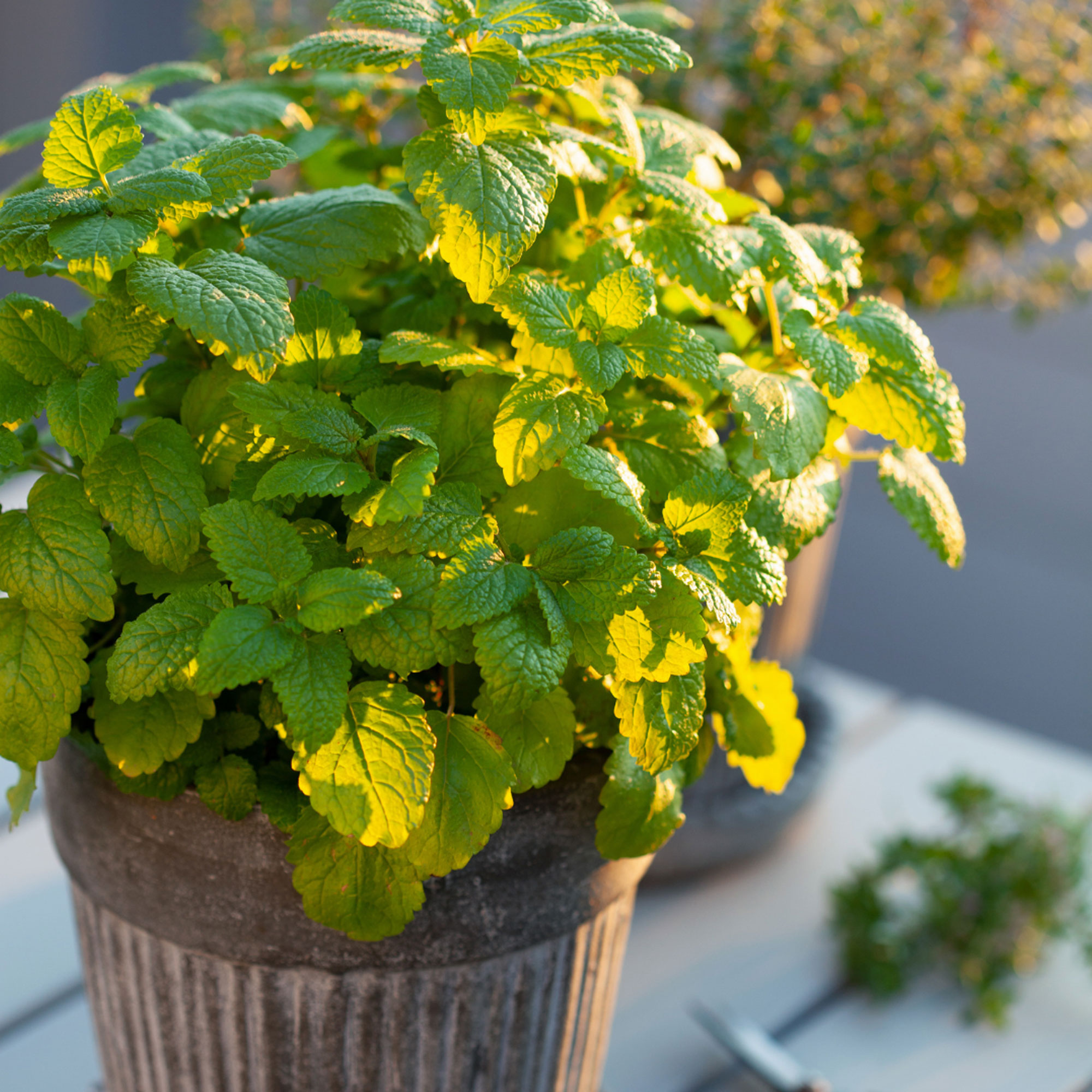
If you’re growing in pots, choose containers with drainage holes. Herbs don’t like to sit in water, so good drainage is essential to avoid root rot.
4. Use Good Soil
Herbs thrive in well-draining, fertile soil. A mix of potting soil and compost works well. You can also find soil specifically designed for herbs or vegetables.
5. Planting
Seeds
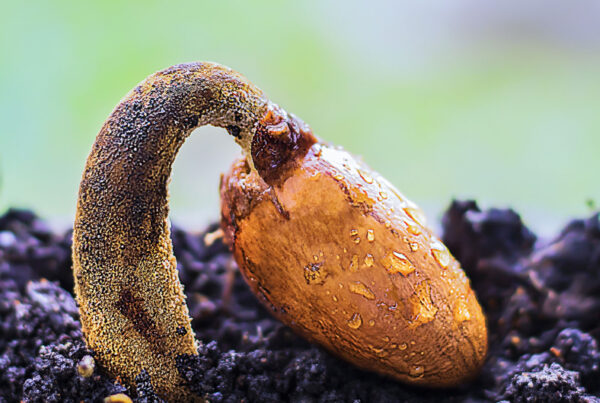
Follow the instructions on the seed packet for planting depth and spacing.
Starter Plants:
If you’re using young plants, gently remove them from the pot and place them in a larger container with soil.
Watering:
Water gently when the soil feels dry to the touch. Don’t overwater, as most herbs prefer slightly dry conditions.
6. Maintain Temperature
Herbs generally prefer warm temperatures (60–75°F or 15–24°C). Protect them from drafts or extreme cold.
7. Pruning & Harvesting
- Prune herbs regularly to encourage new growth and keep them from getting too leggy.
- Harvest by snipping leaves or stems—never take more than a third of the plant at once to allow it to continue growing.
- For bushier herbs like basil or mint, pinch off the top set of leaves regularly to promote branching.
8. Fertilizing
Fertilize once a month with a balanced, organic fertilizer, especially if your plants are in containers. Too much fertilizer can cause herbs to lose their flavor, so be moderate!
9. Pest Control
Watch out for common pests like aphids or spider mites. If you notice any, gently wash your plants with water or use a natural pest control method (like neem oil).
10. Winter Care
If you’re growing herbs indoors, they can thrive year-round with the proper care. In colder months, move them away from drafty windows, and reduce watering since they won’t be growing as quickly.
With a little patience, you’ll have fresh herbs for cooking, teas, or even making herbal infusions! 🌿🍽️